Goa is abuzz with excitement as vintage bike and car owners, users, collectors and fans are decking […]
Old is Gold
October 4, 2016
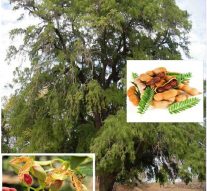
POPULAR traditional folklore says tamarind trees are evil and ghosts live in them, never hang around under them at least at night! But how much I love the tamarind tree with its little oval confetti leaves as they swish in the wind and the green pods ripen from greenish brown to darker smooth brown and the birds and squirrels are after the tart sweet tangy pulp within them. Tamarind seeds within are hard once the soft chewy pulp is removed…call the tamarind tree the Tamarindus indica, a native of the tropics, a most long-lived tree and believe or not cousins with the pea family(Fabaceae). More later!
Goa has many tamarind trees and come February they are loaded with the brown pods of the tamarind, packed with sour sweet pulp…it’s time to harvest the tamarind tree and store its seeded or unseeded pulp in a bottle or jar for around the year use. It’s sometimes salted before storage I think. Tamarind is a much loved flavor-giver in so many of our Indian curries, sauces, chutneys. Rejoice over the gifts of the sometimes maligned tamarind tree!
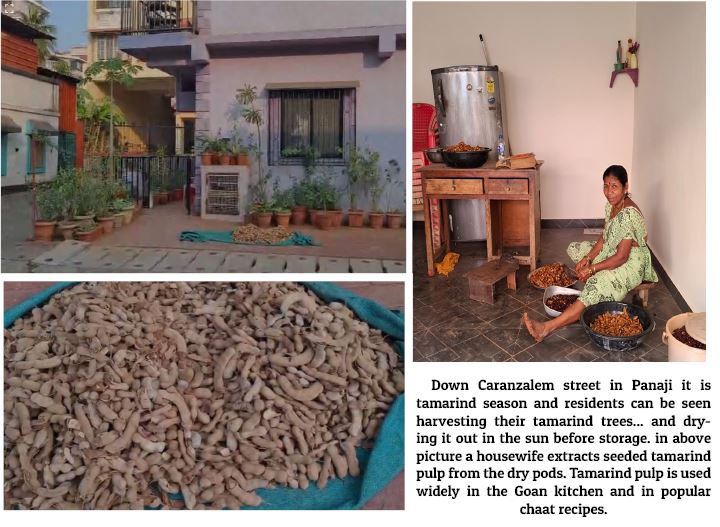
There’s a huge tamarind tree just when I stay in Panjim down old Caranzalen and every year come February it’s loaded with its first greenish turning into brown pods, when fully matured someone living in the colony nearby will use a long, long clipper stick to bring pods down, and down they tumble all over the ground for the harvesters and anyone in the vicinity to quickly help themselves…dry the pods out in the sun, remove the seeded pulp, de-seed it if desired. Store. Whenever required remove some, add warm water and hey…you get the most tantalizing sour sweet sauce to add to the many chaat item number snacks, in chutneys, or sauces. Tamarind, anyone?
My hand always goes up for I will prefer tamarind sauce to the Westernized industrialized tomato ketch-up any day! Drool a tamarind/palm jaggery/date pulp sauce over just about anything — fryum snack or salad or turn out a cooling summer time tamarind sherbet to sip on the rocks. Tamarind, go, go, go.
Let me tell you something about the goodness of tamarind. Tamarind pulp is one of our much relished condiments and the pulp is often used in old country homes to as a metal polish, makes copper vessels shine. Look at a tamarind tree in early spring flower and the exquisite flowers are edible, delicately sourish, and so are the tender leaves. Sprinkle them in your salads.
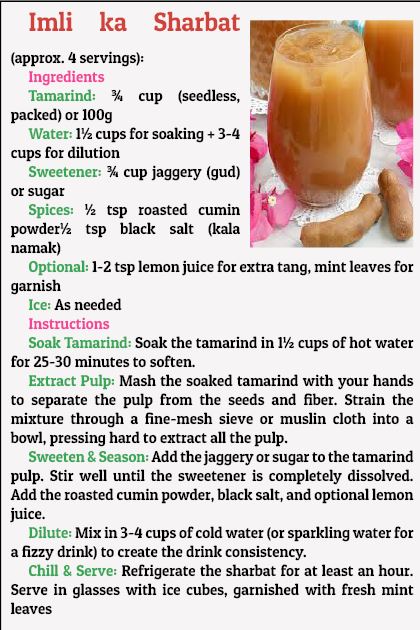
In Ayurveda tamarind has medicinal virtues and makes for a coolant drink seasoned with black salt and jaggery syrup. Tamarind goes into popular after meal digestive poppers, instead of a sugary candy, try these tamarind “goli”… yummilicious ladoo, savoury with ginger amongst other things and tamarind pulp the main ingredient naturally. If I find good flavorful with goodness “imli ki goli” I even drop them in my curries and sweet and sour Guju dal…
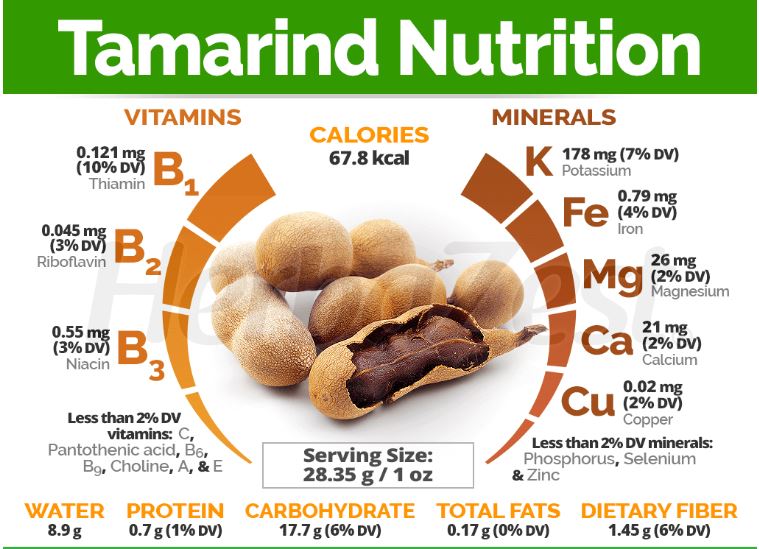
There are of course many varieties of tamarind and the Thai tamarind comes in larger version, the pulp is said to be juicy. Tamarind is said to improve digestion and is a natural gentle laxative, it cheers up the heart and immune system with vitamin C and antioxidants, anti-inflammatory properties, etcetera. The rich pulp also offers usually much needed fibre, vitamins K and B too and minerals potassium, magnesium. Tamarind is a free radical warrior and diabetics may eat it but with caution, at least avoid the sweetener natural or artificial…
By the way tamarind is imli in Hindi, puli in Tamil and Malaylam, chinch in Marathi and chinta in Telugu…tamarind is derived from the Arabic “tamar-e-hind” meaning “Indian date.” The British too discovered it and it is tamarind which features in the famous HB sauce if you remember…
The other side is tamarind is not often recommended to those suffering from acid reflux or gastritis for it may irritate already ruined stomachs. Ahhh yes it’s said consuming too much tamarind may affect tooth enamel…still, I will say don’t overdo it but a tamarind drink judiciously made is fine, I know folk who drink tamarind drink daily for potential blood sugar/weight management…sour tamarind is more anti-hypertensive than the riper, sweeter version. I like the early tender green sour tamarind babies and grind them into a chutney for soul value. Generally speaking, tamarind is recommended for those suffering from diarrhea, constipation, fever and malaria.
Is tamarind a blood thinner? Well, it improves digestion and combats both constipation and diarrhea and research says it is extremely good for the heart as it lowers LDL cholesterol and also acts as a blood thinner. Therefore, good for circulation, your overall blood pressure, improves nerve and muscle functions.
Really, natural tamarind has a greater brief as a culinary super ingredient and most traditional homes in India dote on it, okay, no more. Take a first or second or third look at it. Plant a tamarind tree! It’s a giant of a tree if you give it enough space to grow and breathe in peace.
TO move on to something else. Like a fool I went back to the same place to buy a green salad and this time there was no curry leaf-mustard seeds tempering in oil, and no abundance of hard corn…but the fellow who made it gave me more tomato and babycon, cucumber, etc, and also finely cut green chili…my mouth burned! Never buy salads from outside, okay. I will no longer look for a decent salad to take home anymore.
Postscript: Down south India they make a most scrumptious tamarind rice called “puliyogare” rice. The MTR puliyogare spice packets are perfect for quickly turning out an agreeable tamarind rice, keep a packet handy. Ahhh yes, learn how to make a good “inji puli” chutney too which all folk in Kerala look for on their banana leaf come the Onasadya feast of the Malayali new year! It’s a most delectable tamarind and ginger chutney, that’s all.
 LETTER TO THE EDITOR FOR ISSUE DATED APRIL 11, 2026
 DOUBLE ENGINE GOA GOVERNMENT DANCES TO ADANI TUNES!
 WHO IS FIXING THE SKY? The billionaires, the cops in SUVs, and the missing trees! By Raaisa Lemos Vaz
 UPHEAVAL OF THE SUSEGAAD!By Sumaiya Khan
 THE POWER AND THE POLITICS OF MINING IN GOA!By Arvind Pinto
 DEVA VANI DHRUPAD: Alchemy of Sound, Silence and Sanctity!By Prema Viswanathan
 AT LEAST HOSPITALS CAN OFFER MILLET ROTI AND KICHADI!
 WHEN DO WE NEED PALLIATIVE CARE?
 GODI MEDIA TRUMPS TRUTH IN WAR & PEACE!
 World Health Day 2026: TOGETHER FOR HEALTH – STAND WITH SCIENCE! By Dr Amit Dias, MD
 FCRA AMENDMENT WILL ENABLE GOVT TO TAKE OVER PROPERTIES!By Olav Albuquerque
 WEEKEND UPDATESLETTERS TO THE EDITOR FOR ISSUE DATED APRIL 04, 2026
 REAL ESTATE BARONS OF GOA!
 THE SLOW VANISHING OF GOA’S GOLDEN BEACHES! By Raaisa Lemos Vaz
Goa is abuzz with excitement as vintage bike and car owners, users, collectors and fans are decking […]