Goa is abuzz with excitement as vintage bike and car owners, users, collectors and fans are decking […]
Old is Gold
October 4, 2016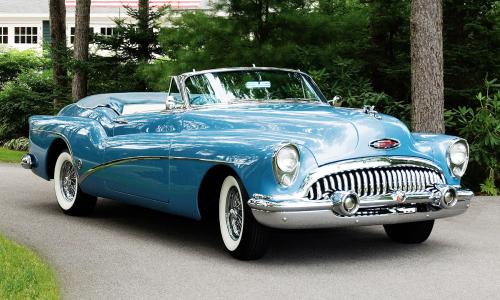

GOANS, MAINTAIN TRADITIONAL WELLS
MAINTAINING traditional wells in Goa has become very important. Maintaining wells is essential for Goa due to their significant role in groundwater management, ensuring year-round water access, and preserving cultural heritage. Their neglect, driven by urbanization and the adoption of modern systems like piped water and bore wells, contributes to local water crises. No construction should come within the radius of 50 meters from portable wells.
If wells are maintained and protected from contamination, wells can provide a consistent and potentially healthier water source than treated tap water, especially during times of water shortages.
Wells are deeply integrated into Goan culture and social life. They were historically places for community gathering (often referred to as a “women’s parliament”) and are central to local festivals, such as the Sao Joao festival, where jumping into wells is a sport. Traditional water management systems represent sustainable engineering wisdom tailored to the local ecosystem. They reduce the strain caused by excessive bore well drilling for commercial water extraction, which leads to saline contamination in coastal areas.
Many wells are abandoned, filled with trash, or contaminated by sewage from soak pits. To address this, local activists, gram sabhas (village assemblies) and government bodies advocate consistent cleaning, desilting, and disinfection are necessary to keep well water safe for use. Forming local monitoring committees and conducting awareness workshops can re-engage villages in the preservation of shared water sources.
Documenting traditional practices and incorporating this knowledge into education can foster appreciation for well water heritage among younger generations. In short, the maintenance of traditional wells is not just about preserving the past; it is a practical and sustainable solution for securing Goa’s water future amidst rising demand, climate and sewage systems development challenges.
— Rajesh Banaulikar, Arpora, Goa.

ADR IS THE NEED OF THE HOUR
Alternative Dispute Resolution (ADR) entails dispute resolution mechanisms where parties do not have to go through the long drawn cumbersome Court process. ADR provides an alternative to regular trial process in Courts and is therefore called alternative Dispute resolution. ADR mechanisms could be through mediation, negotiation, arbitration or conciliation. It could also involve client counselling. In recent years ADR is gaining popularity being a more viable way of resolving disputes and comparatively less expensive than court litigation.
It is laudable that our Goa’s V.M.Salgaoncar College of Law in association with Infinitum 2026 is on 10th January hosting online (via Zoom) an International Conference of Alternative Dispute Resolution. Am eagerly looking forward to hearing those invaluable insights by the six Keynote speakers who have been global leaders shaping the future of Dispute Resolution.
While the Judiciary worldwide grapples with the huge backlog of cases, ADR is the viable way forward while Courts should only be the last resort.
— Aires Rodrigues, London
 LETTER TO THE EDITOR FOR ISSUE DATED APRIL 11, 2026
 DOUBLE ENGINE GOA GOVERNMENT DANCES TO ADANI TUNES!
 WHO IS FIXING THE SKY? The billionaires, the cops in SUVs, and the missing trees! By Raaisa Lemos Vaz
 UPHEAVAL OF THE SUSEGAAD!By Sumaiya Khan
 THE POWER AND THE POLITICS OF MINING IN GOA!By Arvind Pinto
 DEVA VANI DHRUPAD: Alchemy of Sound, Silence and Sanctity!By Prema Viswanathan
 AT LEAST HOSPITALS CAN OFFER MILLET ROTI AND KICHADI!
 WHEN DO WE NEED PALLIATIVE CARE?
 GODI MEDIA TRUMPS TRUTH IN WAR & PEACE!
 World Health Day 2026: TOGETHER FOR HEALTH – STAND WITH SCIENCE! By Dr Amit Dias, MD
 FCRA AMENDMENT WILL ENABLE GOVT TO TAKE OVER PROPERTIES!By Olav Albuquerque
 WEEKEND UPDATESLETTERS TO THE EDITOR FOR ISSUE DATED APRIL 04, 2026
 REAL ESTATE BARONS OF GOA!
 THE SLOW VANISHING OF GOA’S GOLDEN BEACHES! By Raaisa Lemos Vaz
Goa is abuzz with excitement as vintage bike and car owners, users, collectors and fans are decking […]