Goa is abuzz with excitement as vintage bike and car owners, users, collectors and fans are decking […]
Old is Gold
October 4, 2016

Every year on 12 January, India observes National Youth Day to commemorate the birth anniversary of Swami Vivekananda, one of the nation’s greatest visionaries and youth icons. His stirring call — “Arise, awake, and stop not till the goal is reached” — continues to echo across generations, urging young people to recognise their inner strength and purpose. Dr Amit Dias shares his reflections on this day and stresses on the need to manage stress itself !!
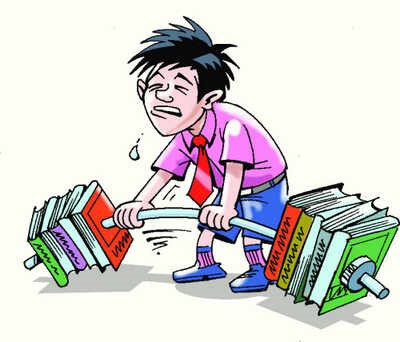
THE theme of National Youth Day this year — “Ignite the Self, Impact the World” — is both powerful and timely. It calls upon young people to awaken their inner potential and channel it toward positive societal change. Yet, while we celebrate youth power, passion, and promise, we must also pause and reflect on a sobering reality: for many of today’s adolescents and young adults, waking up each morning feels less like a journey of self-discovery and more like stepping onto a battlefield of pressure, expectations, and uncertainty.
Celebration alone is not enough. Supporting youth is not a one-day event — it is an ongoing social responsibility.
The Youth Paradox: Promise Amid Pressure
INDIA is one of the youngest nations in the world. Nearly 65% of its population is below the age of 35, and over 250 million are adolescents. This demographic dividend has immense potential to drive innovation, economic growth, and social transformation.
Yet paradoxically, this same group is grappling with unprecedented stress and unemployment. Those who are supposed to be the future of the nation are unsure of their own future!!
Recent years have witnessed a disturbing rise in youth deaths due to road traffic accidents, sudden cardiac events, substance abuse, and suicide. According to the National Crime Records Bureau (NCRB), suicide is among the leading causes of death in Indians aged 15–29 years, accounting for over one-third of all suicide deaths in the country. On average, more than one student dies by suicide every hour in India — a statistic that should deeply trouble us as a society.
Behind these numbers are stories of silent suffering, unspoken fears, and young lives overwhelmed by expectations they feel ill-equipped to meet.
Board Examinations & Stress:
AS National Youth Day coincides with the board examination season across India, millions of students are currently navigating one of the most stressful phases of their academic lives.
For many adolescents, board exams have ceased to be just an assessment of learning. They have become:
• A perceived measure of self-worth
• A source of crippling anxiety
• A trigger for sleep disturbances and burnout
• A cause of physical symptoms such as headaches, fatigue, and digestive problems
• A reason for social withdrawal and emotional shutdown
The pressure does not stem from exams alone, but from the fear of disappointing parents, comparison with peers, and the widespread belief that a single examination can determine the trajectory of an entire life.
In such an emotionally charged environment, even normal adolescent experiences — navigating friendships, self-identity, or first romantic feelings — can feel destabilising when emotional reserves are already depleted.
Adolescence: A Sensitive and Formative Phase
Adolescence is far more than an academic phase; it is a critical developmental window marked by rapid physical, emotional, and neurological changes.
During this period:
• The emotional centres of the brain mature earlier than areas responsible for impulse control and logical reasoning
• Hormonal changes intensify emotional experiences
• Identity formation, peer relationships, and self-esteem take centre stage
This neurological imbalance makes adolescents particularly sensitive to stress, criticism, and failure. Emotional intensity during these years is not weakness — it is biology.
Experiencing friendship, attraction, and emotional bonding is a normal and healthy part of growing up. These experiences foster empathy, self-awareness, and social skills. However, when adolescents lack guidance, emotional literacy, and support, these experiences — combined with academic pressure — can become overwhelming.
Mental Health: A Silent Public Health Crisis
Mental health concerns among youth are no longer isolated or rare. They are a public health priority.
According to the World Health Organization, one in seven adolescents globally lives with a mental health condition. Depression, anxiety, and behavioural disorders are among the leading causes of illness and disability in this age group. As mentioned earlier, suicide ranks among the top causes of death among adolescents and young adults worldwide.
In India, where conversations around mental health are still clouded by stigma, many young people suffer in silence — afraid to seek help, worried about judgment, or unaware that support is available.
As the saying goes, “Not all wounds are visible.” Emotional pain, when ignored, can be just as fatal as physical illness.
Resilience: The Missing Life Skill
At the heart of youth well-being lies resilience — the ability to adapt, recover, and grow in the face of adversity.
Resilience is not about avoiding stress or suppressing emotions. It is about learning how to respond constructively to challenges. A resilient young person understands that:
• Failure is temporary
• Setbacks are part of growth
• Self-worth is not defined by marks alone
Resilience is built through:
• A positive self-image
• Emotional regulation skills
• Problem-solving abilities
• Supportive relationships with family, peers, and mentors
Just as physical immunity protects the body, emotional resilience protects the mind.
Love, Law, and Adolescence: Striking a Balance
Adolescents naturally explore emotional and romantic relationships as part of development. These experiences can be healthy when based on respect, communication, and consent.
Recognising this complexity, the Supreme Court of India recently suggested that the Union Government consider introducing a “Romeo–Juliet clause” in the POCSO Act, to differentiate between exploitative abuse and consensual relationships among peers with minimal age differences. The Court observed that laws meant to protect children should not inadvertently criminalise normal adolescent behaviour.
This evolving legal discourse highlights the urgent need for:
• Comprehensive sexuality education
• Education on consent and healthy relationships
• Emotional literacy and guidance, not fear-based policing
Supporting Youth: Parents, Teachers, and Society
What Parents Can Do
• Foster open, non-judgmental communication
• Validate emotions instead of dismissing them
• Emphasise effort and growth over marks
• Watch for warning signs such as withdrawal, mood changes, or hopelessness
What Schools and Teachers Can Do
• Integrate life skills and emotional education into curricula
• Encourage sports, arts, and creative expression
• Create safe environments where failure is seen as a learning step, not a catastrophe
• Ensure access to counsellors and mental health support
A Collective Commitment
Youth mental health cannot be the burden of families alone. It requires a collective societal response involving policymakers, educators, healthcare systems, and communities.
We must:
• Invest in youth counselling and mental health services
• Reduce stigma around emotional struggles
• Create platforms for young voices to be heard
• Tap into the immense potential of youth not just as achievers, but as thinkers, innovators, and change-makers
As Swami Vivekananda wisely said, “The youth are the pillars of the nation.” But pillars must be strengthened — not overloaded.
Beyond Celebration
ON this National Youth Day, let us move beyond symbolic celebration. Let us ignite the self by nurturing resilience, empathy, and confidence — and impact the world by creating systems that support young people every day, not just on commemorative occasions.
Because true success is not measured by examination scores alone, but by the ability to face life with courage, compassion, and hope.
 LETTERS TO THE EDITOR FOR ISSUE DATED FEBRUARY 28, 2026
 BORKAR ENDS FAST, ST ANDRE CONVERSIONS SUSPENDED!
 GOA’S ECOLOGY DESTROYED BY 39A! By Dean D’Cruz
 A PARCHED PARADISE! By Raaisa Lemos Vaz
 KARAPUR LOCALS PROTEST RANE LAND DEAL!
 WHEN IS ENOUGH IS ENOUGH? And here’s your chance to vote in a new CCP… If you’re interested!
 HOW MUCH I LOVE TAMARIND… Here are the gifts and joys of tamarind trees
 UTPAL TAKES ON BABUSH IN PANJIM!
 DEMENTIA SCREENING PROGRAM IN GOA! By Dr Amit Dias
 WEEKEND UPDATES
 LETTERS TO THE EDITOR FOR THE ISSUE DATED FEBRUARY 21, 2026
 UNLIKE GOA TOP TOURIST RESORTS PROTECT LOCAL LAND!
 NIZ GOENKAR WEDDING!
 OUT AT THE VIKRAM & SHWEANA SHAADI OF THE YEAR…
 PANAJI THAT FLOODS AFTER ONE HOUR OF RAIN!By Sanjay Raiturkar
Goa is abuzz with excitement as vintage bike and car owners, users, collectors and fans are decking […]