Goa is abuzz with excitement as vintage bike and car owners, users, collectors and fans are decking […]
Old is Gold
October 4, 2016
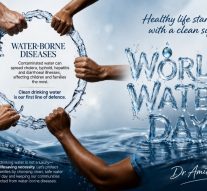
On the occasion of World Water Day observed on March 22 we take a closer look at the recent outbreak of diarrhoeal disease in Goa and explores what it reveals about our water systems, our vulnerabilities, and the steps needed to prevent such outbreaks in the future.
Water is the essence of life—every cell, every system in the human body depends on it for survival. It nourishes, cleanses, and sustains entire communities. Yet, this same life-giving resource can turn into a silent threat when contaminated. Unclean water becomes a carrier of disease, capable of triggering outbreaks that affect hundreds within days. In this sense, water is truly a double-edged sword—it can give life, but when unsafe, it can also take it. The recent diarrhoeal outbreak in Goa is a stark reminder that the safety of water cannot be assumed; it must be ensured, every single day.
Goa’s Outbreak: A Warning Beneath the Surface
THE recent surge of diarrhoeal illness in Goa has brought into sharp focus the fragile link between water quality and community health. Health facilities reported increased cases of acute gastroenteritis, with patients presenting with diarrhoea, vomiting, and varying degrees of dehydration. Such clustering of cases, especially within specific geographic areas, often signals a common environmental source.
Investigations in similar outbreaks frequently identify contamination of drinking water as the underlying cause. Reports of coliform bacteria detected in water samples further suggest faecal contamination, indicating that pathogens may have entered the water distribution system. Even in a state like Goa, with relatively robust healthcare infrastructure, such incidents can occur when systems falter — reminding us that vigilance must be continuous.
Coliforms: The Invisible Red Flag
THE detection of coliform bacteria in water is a critical public health indicator. While these organisms are not always harmful themselves, they signal that the water has likely been contaminated with faecal matter. This raises the possibility that more dangerous pathogens are present, including those responsible for cholera, typhoid fever, hepatitis A, and hepatitis E.
In practical terms, the presence of coliforms means that the water is unsafe for consumption unless it is adequately treated. It also serves as an early warning system, enabling authorities to act before a full-scale outbreak unfolds.
Sewage Contamination: A disaster waiting to happen
SEWAGE contamination is one of the most common causes of waterborne outbreaks. Sewage consists of human excreta, household wastewater, and other waste materials that are meant to be safely transported and treated. However, when there are leaks in pipelines, illegal cross-connections, or flooding that overwhelms drainage systems, sewage can mix with drinking water supplies.
Ageing infrastructure, inadequate maintenance, and rapid urbanisation further increase this risk. A single breach in the system can expose thousands of people to contaminated water, making prevention and maintenance critical components of public health. Some years ago we had an outbreak of Hepatitis A and E in the city of Panjim when a hotel water pipeline was contaminated with the sewage pipeline which was corroded.
It is basic common sense to ensure that sewage pipelines and water supply systems are not close together, this is a disaster waiting to happen.
Diseases That Travel Through Water
CONTAMINATED water acts as a carrier for a wide range of pathogens. Acute diarrhoeal diseases are the most immediate and common outcome, but the spectrum is broader. Cholera can cause rapid fluid loss and dehydration, while typhoid fever leads to prolonged systemic illness. Viral infections such as hepatitis A and E affect the liver and can cause jaundice, sometimes leading to severe complications.
These diseases are not just medical conditions; they have social and economic consequences — affecting productivity, increasing healthcare costs, and disproportionately impacting vulnerable populations such as children and the elderly.
The Silent Threat: Understanding Dehydration
ONE of the most dangerous consequences of diarrhoeal disease is dehydration. The body loses water and essential electrolytes rapidly through diarrhoea and vomiting. Early signs include thirst, dry mouth, and reduced urine output. As dehydration worsens, individuals may develop sunken eyes, lethargy, and poor skin turgor.
In severe cases, dehydration can lead to circulatory collapse and shock. Children are particularly vulnerable, as their fluid reserves are limited and losses occur more rapidly. Recognising early signs and initiating prompt treatment is therefore critical.
The Science of Clean Water: Why It Matters to the Body
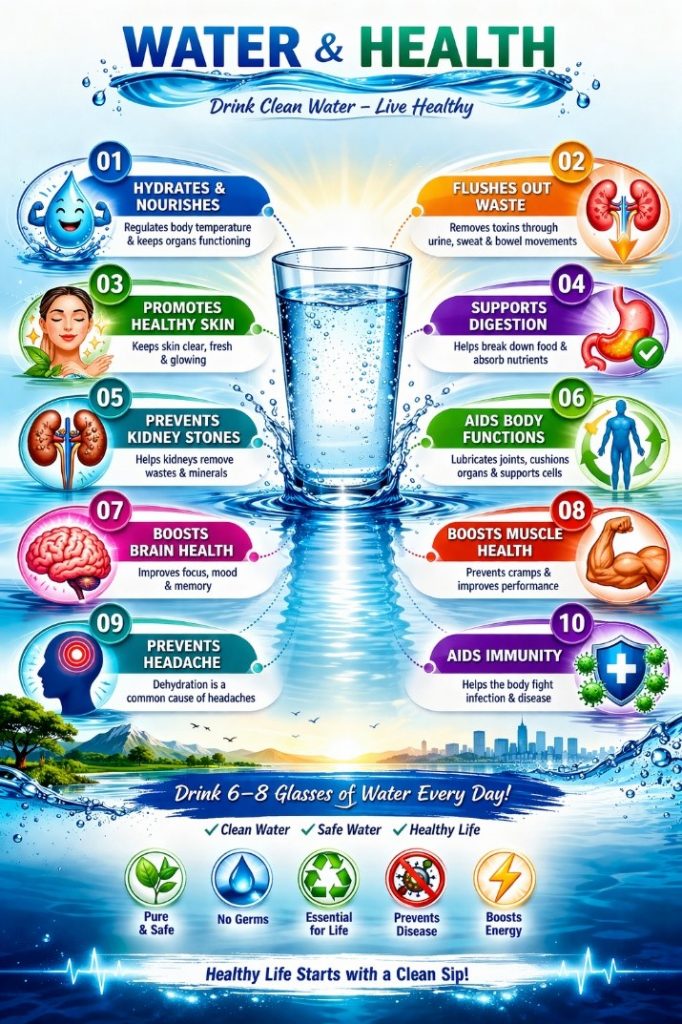
CLEAN drinking water plays a fundamental role in maintaining physiological balance. It supports digestion, facilitates nutrient absorption, regulates body temperature, and aids in the elimination of metabolic waste through urine and sweat. At a cellular level, water maintains osmotic balance and is essential for biochemical reactions that sustain life.
Safe water also prevents the entry of harmful microorganisms into the gastrointestinal tract. When contaminated water is consumed, pathogens can disrupt intestinal function, leading to inflammation, fluid loss, and impaired nutrient absorption. Over time, repeated infections can contribute to malnutrition, particularly in children.
Thus, clean water is not just about preventing disease — it actively promotes optimal bodily function, supports immunity, and enhances overall well-being.
Managing Diarrhoea: Simple Yet Life-Saving Measures
DESPITE its potential severity, diarrhoeal disease can often be managed effectively with simple interventions. The cornerstone of treatment is rehydration. Oral Rehydration Solution (ORS) works by replenishing lost fluids and electrolytes, helping restore balance in the body.
Continued feeding during illness is important, particularly in children, to prevent nutritional deficits. Zinc supplementation has also been shown to reduce the duration and severity of diarrhoea in paediatric populations. Timely medical care is essential in cases with severe symptoms, persistent vomiting, or signs of dehydration.
Prevention Begins at Home and in the Community
PREVENTING waterborne disease requires a combination of individual and collective action. At the household level, drinking water should be boiled, filtered, or appropriately treated, especially during outbreaks. Safe storage practices — using clean, covered containers —are equally important to prevent recontamination.
Hand hygiene remains one of the simplest and most effective preventive measures. Washing hands with soap before eating and after using the toilet can significantly reduce transmission. Food hygiene, including washing fruits and vegetables and avoiding unsafe food sources, further minimises risk.
At the community level, proper sanitation, waste disposal, and protection of water sources are essential. Preventing open defecation and ensuring functional sanitation systems contribute significantly to water safety.
Building Safer Systems: Preventing Future Outbreaks
THE Goa outbreak highlights the need for stronger systems and sustained vigilance. Regular monitoring of water quality, including testing for microbial contamination, must be prioritised. Chlorination processes should be consistent and closely supervised.
Infrastructure maintenance is equally critical. Drinking water pipelines must be regularly inspected and kept separate from sewage lines. Prompt repair of leaks and prevention of illegal connections can significantly reduce contamination risks.
Urban planning must also incorporate robust sewage management systems, including effective treatment plants and drainage networks. Public awareness campaigns can empower communities to recognise risks and take preventive action.
Investigating Outbreaks: Science in Action
WHEN outbreaks occur, public health teams follow a systematic approach. They confirm the outbreak, define cases, and collect data to identify patterns. Environmental assessments and laboratory testing help trace the source, often linking cases to contaminated water.
Control measures are implemented immediately, including ensuring safe water supply, treating affected individuals, and issuing public advisories. Long-term measures focus on addressing the root cause to prevent recurrence.
Conclusion: A Drop of Prevention
THE recent diarrhoeal outbreak in Goa is a timely reminder that water safety is a shared responsibility. As we mark World Water Day, we must recognise that access to clean water is not guaranteed — it must be protected through science, systems, and sustained awareness.
Every glass of safe water represents prevention, protection, and health. Ensuring its purity is one of the most powerful steps we can take to safeguard communities.
 LETTER TO THE EDITOR FOR THE ISSUE DATED MARCH 28, 2026
 GOA’S GILDED HIGH RISE SLUMS!By Raaisa Lemos Vaz
 DIRTY TOWERS OF GOA!
 LOOKING BACK AT GOA IN 60S! By Arvind Pinto
 THE ROAD WE STILL WALK: CONFRONTING CASTE ON VAIKOM’S ANNIVERSARY! By Prema Viswanathan
 WILL THE NEW ADVOCATES PROTECTION BILL STOP ATTACKS ON LAWYERS?By Dr Olav Albuquerque
 ABHINANDAN LODHA CONQUERS BICHOLIM
 IT’S `NIMBU-SODA’ SEASON!
 `Our Rights: Essays on Law, Justice and the Constitution’ by Dr Justice F I Rebello WHAT ARE YOUR RIGHTS?Most of us don’t even know!
 WEEKEND UPDATES
 LETTER TO THE EDITOR FOR THE ISSUE DATED MARCH 21, 2026
 LOOK BACK IN ANGER, LOOK AHEAD WITH RESOLVE!By Gautam Patel
 OUR WOUNDED MANDOVI RIVER MAI! By Raaisa Lemos Vaz
 GARDEN SUBURB TO MONSTER TOWERS…Chembur then and now!
 PROTESTS PART OF GOAN DNA!
Goa is abuzz with excitement as vintage bike and car owners, users, collectors and fans are decking […]