Goa is abuzz with excitement as vintage bike and car owners, users, collectors and fans are decking […]
Old is Gold
October 4, 2016
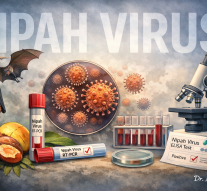
The true test of a health system is not how it reacts in crisis, but how quietly it prevents one.
JUST when the world is beginning to inhale and exhale after the trauma of the COVID-19 pandemic, a familiar unease returns. The sound of a new virus making headlines…the tightening of public health systems, and the renewed focus on contact tracing, remind us how fragile public health security can be.
India first encountered the Nipah virus in 2001, and since then it has resurfaced intermittently — never in large numbers, but always with serious consequences. In recent years, Kerala has emerged as the epicentre of India’s Nipah response, not because the virus is more aggressive there, but because a unique combination of ecological conditions, dense human habitation, and one of the country’s most alert disease surveillance systems, ensures that even a single suspected case is detected early and acted upon swiftly.
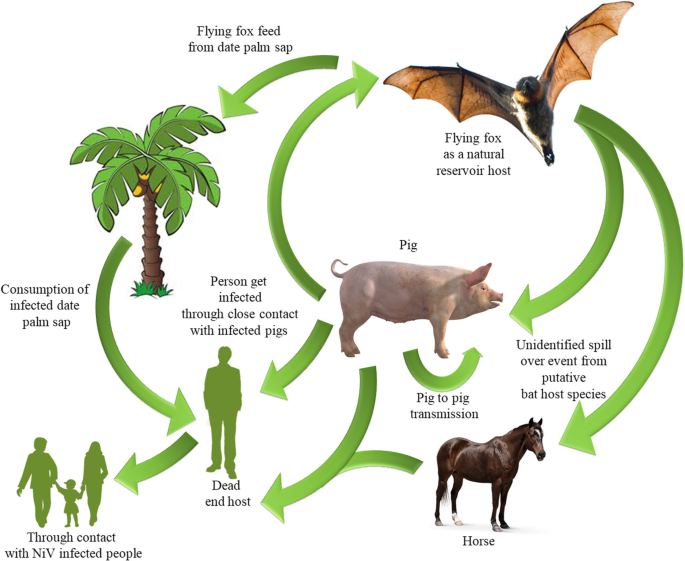
The Kerala outbreaks
Kerala’s outbreaks have been marked by:
• Prompt identification of cases
• Aggressive contact tracing
• Strict infection control in hospitals
• Transparent public communication
In 2026, India reports new suspected and confirmed Nipah cases, again primarily from Kerala. While numbers remain small, the government has treated these cases with utmost seriousness due to the virus’s high mortality and potential for human-to-human transmission.
Recognising the symptoms
The incubation period usually ranges from 3 to 14 days, though in rare cases it can be longer.
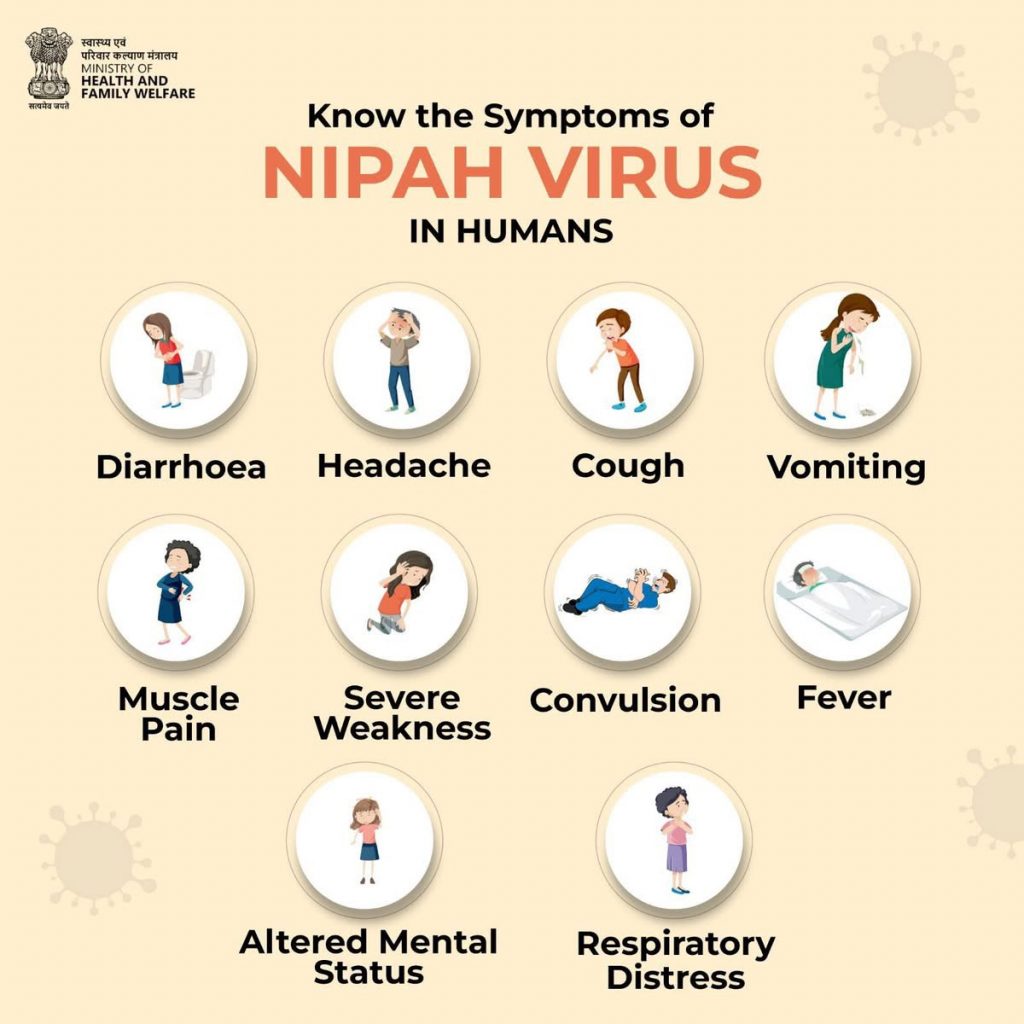
Common symptoms include:
• Fever and headache
• Fatigue and body aches
• Cough or difficulty breathing
• Confusion, drowsiness, or altered consciousness
Severe cases may progress rapidly to brain swelling (encephalitis), coma and death. Early medical attention can be lifesaving.
How is Nipah diagnosed and treated?
Clinically, Nipah infection can resemble other causes of pneumonia or encephalitis. Laboratory confirmation using RT-PCR tests on blood or respiratory samples is essential and must be done in high-containment laboratories.
What makes matters worse is that currently there is no specific antiviral treatment or vaccine for Nipah virus. Management relies on:
• Early diagnosis
• Intensive supportive care
• Oxygen therapy and ventilation when required
• Careful monitoring for brain and lung complications
Good supportive care significantly improves survival.
Government advisories: what do they mean for the public?
Following recent cases, Indian health authorities have issued advisories that focus on prevention, early reporting, and infection control. These include:
• Enhanced surveillance for fever and encephalitis cases
• Rapid isolation of suspected patients
• Strict infection prevention measures in hospitals
• Public awareness campaigns to reduce panic and misinformation
Importantly, there is no cause for panic, but there is every reason for caution and cooperation.
Practical prevention: what you can do
While Nipah virus is rare, prevention depends on simple, sensible measures:
Reduce risk from bats and animals
• Wash fruits thoroughly and peel them before eating
• Avoid consuming fruits that appear bitten or damaged
• Do not drink raw or un-boiled date palm sap
Reduce person-to-person spread
• Avoid close contact with anyone showing symptoms of severe fever or confusion
• Practice frequent handwashing
• Seek medical care early if symptoms develop
In healthcare settings
• Follow hospital advice strictly
• Respect isolation protocols
• Use masks and hand hygiene when visiting hospitals
Recent outbreaks:
• July 2025 — Kerala: 3 cases; 2 deaths
• Dec 2025 / Jan 2026 — West Bengal: 2 confirmed cases; contacts traced with no further spread
Though the disease remains rare and confined, these episodes reinforce the need for continued vigilance, rapid diagnosis, and public health preparedness in India.
Why awareness matters
Nipah virus reminds us that human health, animal health and the environment are closely linked. Early detection, public trust, transparent communication and responsible behaviour can prevent small clusters from becoming major outbreaks.
India’s experience — especially in Kerala —shows that preparedness saves lives.
 LETTER TO THE EDITOR FOR THE ISSUE DATED MARCH 28, 2026
 GOA’S GILDED HIGH RISE SLUMS!By Raaisa Lemos Vaz
 DIRTY TOWERS OF GOA!
 UNCLEAN WATER, CARRIER OF DISEASE! By Dr Amit Dias, MD
 LOOKING BACK AT GOA IN 60S! By Arvind Pinto
 THE ROAD WE STILL WALK: CONFRONTING CASTE ON VAIKOM’S ANNIVERSARY! By Prema Viswanathan
 WILL THE NEW ADVOCATES PROTECTION BILL STOP ATTACKS ON LAWYERS?By Dr Olav Albuquerque
 ABHINANDAN LODHA CONQUERS BICHOLIM
 IT’S `NIMBU-SODA’ SEASON!
 `Our Rights: Essays on Law, Justice and the Constitution’ by Dr Justice F I Rebello WHAT ARE YOUR RIGHTS?Most of us don’t even know!
 WEEKEND UPDATES
 LETTER TO THE EDITOR FOR THE ISSUE DATED MARCH 21, 2026
 LOOK BACK IN ANGER, LOOK AHEAD WITH RESOLVE!By Gautam Patel
 OUR WOUNDED MANDOVI RIVER MAI! By Raaisa Lemos Vaz
 GARDEN SUBURB TO MONSTER TOWERS…Chembur then and now!
Goa is abuzz with excitement as vintage bike and car owners, users, collectors and fans are decking […]