Goa is abuzz with excitement as vintage bike and car owners, users, collectors and fans are decking […]
Old is Gold
October 4, 2016
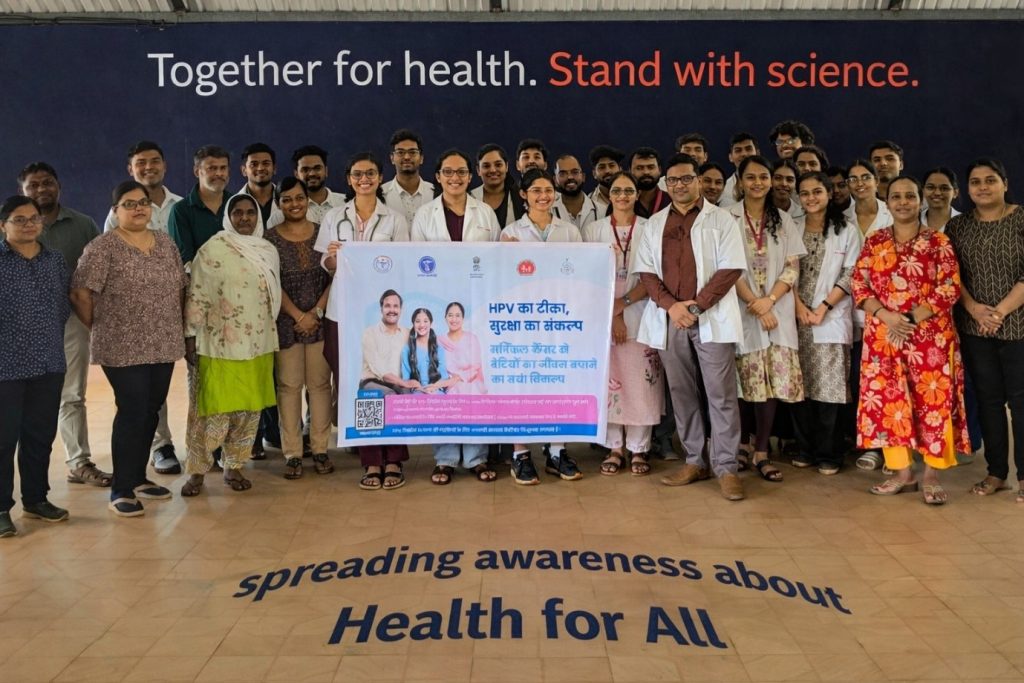
In view of the recent launch of the HPV vaccine for adolescent girls in India, Dr Amit Dias addresses the frequently asked questions and common concerns surrounding the vaccine. Echoing the theme of World Health Day 2026 — “Together for Health: Stand with Science” — he emphasizes the importance of informed decision-making and public trust in scientific evidence. Through this article, he provides scientific clarity and reinforces the crucial role of vaccination in preventing cervical cancer.
This is something every parent needs to know
CERVICAL cancer remains one of the most preventable yet deadly cancers affecting women in India. With the introduction of the Human Papillomavirus (HPV) vaccine under national immunization programs, the country is taking a significant step toward reducing—and ultimately eliminating—this disease.
This article addresses key questions about the HPV vaccine, including its safety, effectiveness, and relevance in the Indian context. In an era where misinformation spreads rapidly, particularly through social media, there is a pressing need to separate facts from myths. This write-up aims to dispel common misconceptions and promote a scientific, evidence-based understanding of the vaccine.
The theme for World Health Day this year, “Together for Health: Stand with Science,” reinforces the importance of making informed health decisions based on credible evidence rather than rumours or fear.
Why HPV vaccination matters in India
CERVICAL cancer is the second most common cancer among women in India. Each year, nearly 78,000 women are diagnosed and over 42,000 lose their lives to the disease. A large proportion of cases are detected at an advanced stage, which reduces the chances of successful treatment.
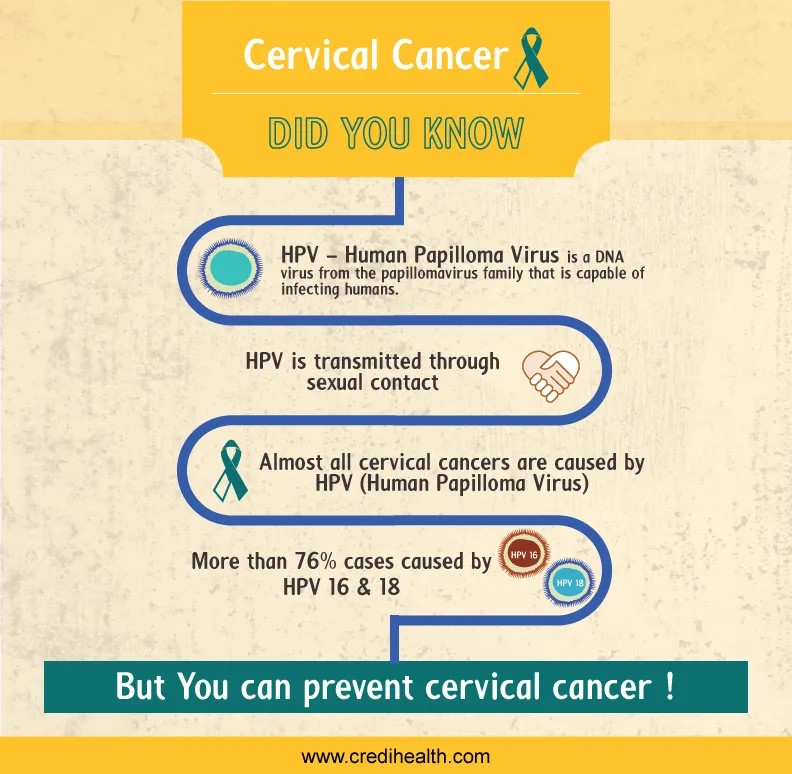
Most cervical cancers in India are caused by two high-risk types of the HPV virus — types 16 and 18 — which are responsible for approximately 83% of cases. This makes prevention through vaccination both practical and highly effective.
What is a vaccine?
A VACCINE is a biological preparation that helps the body develop immunity against a disease. It trains the immune system to recognize and fight infections, thereby preventing illness and its complications.
What is the HPV vaccine and how does it work?
The HPV vaccine protects against infection from cancer-causing types of the human papillomavirus. It works by stimulating the body’s immune system to produce antibodies that prevent future infection.
The vaccine is preventive in nature. It does not treat existing infections but protects against future disease. In addition, widespread vaccination helps reduce transmission of the virus in the community, offering indirect protection to others.
Who should get the vaccine?
THE HPV vaccine is recommended for girls aged 14 years, before they turn 15. This age group is prioritized because the vaccine is most effective when administered before exposure to the virus, and the immune response is stronger at younger ages.
Why are only girls being vaccinated?
THE primary aim of the HPV vaccination program is to prevent cervical cancer, which affects women. Vaccinating girls at high coverage levels also reduces the spread of infection in the community, indirectly protecting boys and men. Vaccinating boys is possible, but not included in this initiative. If the boys are vaccinated they will not get the virus and not transfer it to their wives.
What is the vaccine schedule?
THE current recommendation in India is a single dose of the HPV vaccine, administered as an injection in the upper arm.
This single-dose strategy has been adopted because evidence shows it provides protection comparable to multi-dose schedules, while being easier to implement and more cost-effective.
How effective is the HPV vaccine?
THE HPV vaccine is highly effective, preventing up to 93–100% of cervical cancers caused by the targeted virus types. Studies have shown that protection lasts for more than a decade, with no current need for booster doses.
This makes HPV vaccination one of the most powerful tools available for cancer prevention.
Prevention is always better than Cure
Which HPV strains does the vaccine protect against, and why is the quadrivalent vaccine considered sufficient?
The currently used quadrivalent HPV vaccine protects against four types of the Human Papillomavirus (HPV):
• HPV 16 and 18 —These are high-risk (oncogenic) strains responsible for the majority of cervical cancer cases
• HPV 6 and 11 — These are low-risk strains that cause most cases of genital warts
Among these, HPV 16 and 18 alone account for approximately 70–83% of cervical cancer cases globally and in India, making them the most critical targets for prevention.
What about other HPV strains?
There are more than 100 types of HPV, of which about 14 are considered high-risk. Other important cancer-causing strains include:
• HPV 31, 33, 45, 52, and 58
These additional strains are covered by the nonavalent (9-valent) vaccine, which provides broader protection.
Is the HPV vaccine safe?
The HPV vaccine has an excellent safety record. It has been used globally for many years, with hundreds of millions of doses administered.
Most side effects are mild and short-lived, such as pain at the injection site or low-grade fever. Serious adverse reactions are extremely rare.
There are a lot of concerns in people’s minds… how would you address it?
THERE is a lot of fake news being circulated on WhatsApp and social media. The vaccine does not affect menstruation or puberty and can be safely given during periods. There is no evidence that it affects fertility or future pregnancies.
It can be administered along with other routine vaccines and is also safe for breastfeeding mothers. Over 500 million doses have been administered globally with no causal link to serious illness. Global bodies like WHO, CDC, and EMA confirm: No association with autoimmune or neurological diseases, Reported deaths were coincidental, not caused by the vaccine
Common side effects: Pain at injection site and mild fever, dizziness
Rare event: Severe allergic reaction (anaphylaxis) ~1–2 per million doses. The facilities have the arrangements to handle the reaction if it occurs.
Fertility and Pregnancy Concerns
Scientific Facts:
• Multiple studies show no effect on fertility
• No impact on:
o Ovarian function
o Pregnancy outcomes
• Safe during breastfeeding
Who should avoid the vaccine?
VACCINATION should be postponed in cases of moderate or severe illness. It is not recommended during pregnancy. Individuals with a history of severe allergic reactions to vaccine components should avoid it.
Does vaccination replace screening?
VACCINATION does not eliminate the need for cervical cancer screening later in life. Women should continue to undergo regular screening as advised by healthcare providers.
A combination of vaccination and screening offers the best protection.
A step toward eliminating cervical cancer
HPV vaccination is recognized globally as a key strategy in preventing cervical cancer. With strong implementation and public participation, it has the potential to significantly reduce disease burden and save thousands of lives in India.
Conclusion
CERVICAL cancer is preventable. A single dose of the HPV vaccine at the right age can protect young girls from a life-threatening disease in the future. Parents are encouraged to ensure their daughters receive this important vaccine and take a step toward
 PLANNING FOR RETIREMENT THE GOAN WAY! By Arvind Pinto
 WHEN `HOLY WEEK’ COMES LONG
 NO MORE PROTESTS AT AZAD MAIDAN?
 CURCHOREM SEX SCANDAL: Will the police really take action?By Olav Albuquerque
 WEEKEND UPDATES
 LETTER TO THE EDITOR FOR THE ISSUE DATED MARCH 28, 2026
 GOA’S GILDED HIGH RISE SLUMS!By Raaisa Lemos Vaz
 DIRTY TOWERS OF GOA!
 UNCLEAN WATER, CARRIER OF DISEASE! By Dr Amit Dias, MD
 LOOKING BACK AT GOA IN 60S! By Arvind Pinto
 THE ROAD WE STILL WALK: CONFRONTING CASTE ON VAIKOM’S ANNIVERSARY! By Prema Viswanathan
 WILL THE NEW ADVOCATES PROTECTION BILL STOP ATTACKS ON LAWYERS?By Dr Olav Albuquerque
 ABHINANDAN LODHA CONQUERS BICHOLIM
 IT’S `NIMBU-SODA’ SEASON!
 `Our Rights: Essays on Law, Justice and the Constitution’ by Dr Justice F I Rebello WHAT ARE YOUR RIGHTS?Most of us don’t even know!
Goa is abuzz with excitement as vintage bike and car owners, users, collectors and fans are decking […]