Goa is abuzz with excitement as vintage bike and car owners, users, collectors and fans are decking […]
Old is Gold
October 4, 2016
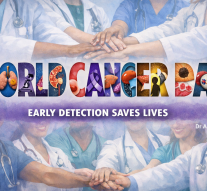
JUST days before World Cancer Day, observed every year on February 4, the Union Budget 2026 announced this week, carried a quiet but powerful message of hope: Anti-cancer drugs are set to become more affordable. It is indeed welcome news—but it also reminds us of a harder truth. Medicines can save lives only when cancer is found in time.
World Cancer Day should not be reduced to statistics and solemn speeches. It is a moment to remember a simple, life-saving reality: most cancers are curable when detected early. Cancer rarely arrives with drama. It does not shout; it whispers. It gives signals—subtle, persistent, and often ignored. Tragically, many of us listen only when it is already roaring.
Globally, cancer claims nearly 10 million lives every year. In India alone, over 1.4 million new cases are diagnosed annually, with a disturbing majority reaching hospitals in advanced stages, when treatment becomes more complex, more expensive, and emotionally overwhelming. As I often remind patients and families, “Cancer is not always aggressive — our neglect often is.”
UNITED BY UNIQUE
THIS year’s World Cancer Day theme, “United by Unique,” reminds us that while every cancer journey is deeply personal, our response must be collective. Each patient has a unique story, biology and struggle — but as families, communities, health systems and governments, we are united by a shared responsibility: early detection, timely treatment, and compassionate care.
The cancers we see — and the ones we miss:
Cancer deaths are not only due to aggressive disease, but also due to late detection. There are the cancers we diagnose — and then there are the silent, undetected ones, quietly advancing until symptoms become impossible to ignore. By then, precious time has been lost.
In clinical practice, a distressing reality emerges again and again: many patients arrive not in Stage I or II, but in Stage III or IV. At that point, medicine can prolong life, reduce suffering, and sometimes still cure—but the odds are undeniably lower. Early detection does not just save lives; it saves families from grief, debt and despair.
Common cancers and their early warning signs:
EARLY detection is often the most critical factor in successful cancer treatment. Knowing the warning signs can make the difference between cure and catastrophe.
Blood Cancers
Unlike most cancers, blood cancers do not form solid tumors. They begin in the bone marrow or lymphatic system.
Warning signs: Persistent fatigue, frequent infections, unexplained bruising or bleeding, night sweats, and unexplained weight loss.
Breast Cancer
Though far more common in women, men are not immune and can also develop breast cancer.
Warning signs: A new lump in the breast or underarm, thickening of breast tissue, skin dimpling (orange-peel appearance), nipple changes, or unexplained redness and scaling.
Oral Cancer
Alarmingly common in India due to tobacco, areca nut, and alcohol use.
Warning signs: Non-healing mouth ulcers, red or white patches, difficulty chewing or swallowing, unexplained bleeding, or numbness in the mouth
Lung Cancer
One of the deadliest cancers worldwide. While smoking is the main risk factor, non-smokers are increasingly affected due to pollution and environmental toxins.
Warning signs: Persistent or worsening cough, chest pain, breathlessness, recurrent chest infections, or coughing up blood.
Colorectal (Bowel) Cancer
Often begins as harmless polyps that slowly turn cancerous.
Warning signs: Persistent change in bowel habits, blood in stools, abdominal pain, unexplained weight loss, or anemia.
The tragedy is not that these cancers exist—but that their early signals are ignored, normalized, or feared. “Ignoring symptoms does not make cancer go away; it only gives it time to grow,” I often caution.
CAUTION: A simple word that can save lives:
One of the simplest tools for cancer awareness lies hidden in a single word—CAUTION:
C – Changes in bowel or bladder habits
A – A sore that does not heal
U – Unusual bleeding or discharge
T – Thickening or lump in the breast or elsewhere
I – Indigestion or difficulty in swallowing
O – Obvious changes in a mole, wart, or mouth sore
N – Nagging cough or hoarseness
These signs do not mean cancer in every case—but if persistent, they demand medical attention. Awareness must never become paranoia, but silence can be deadly.
Advances in cancer treatment today:
More hope than ever before.
Cancer treatment has evolved dramatically. From one-size-fits-all approaches, we now move toward precision and personalization.
Traditional pillars — surgery, chemotherapy, and radiation — continue to save millions of lives. Surgery can remove tumors entirely when detected early. Chemotherapy and radiation destroy cancer cells and prevent spread.
Equally transformative are immunotherapy and targeted therapy, where the patient’s own immune system is empowered to fight cancer, or drugs precisely block cancer-specific pathways. These treatments have turned once-fatal cancers into manageable or even curable conditions.
Yet, the most advanced treatment cannot fully compensate for late diagnosis.
Prevention and screening:
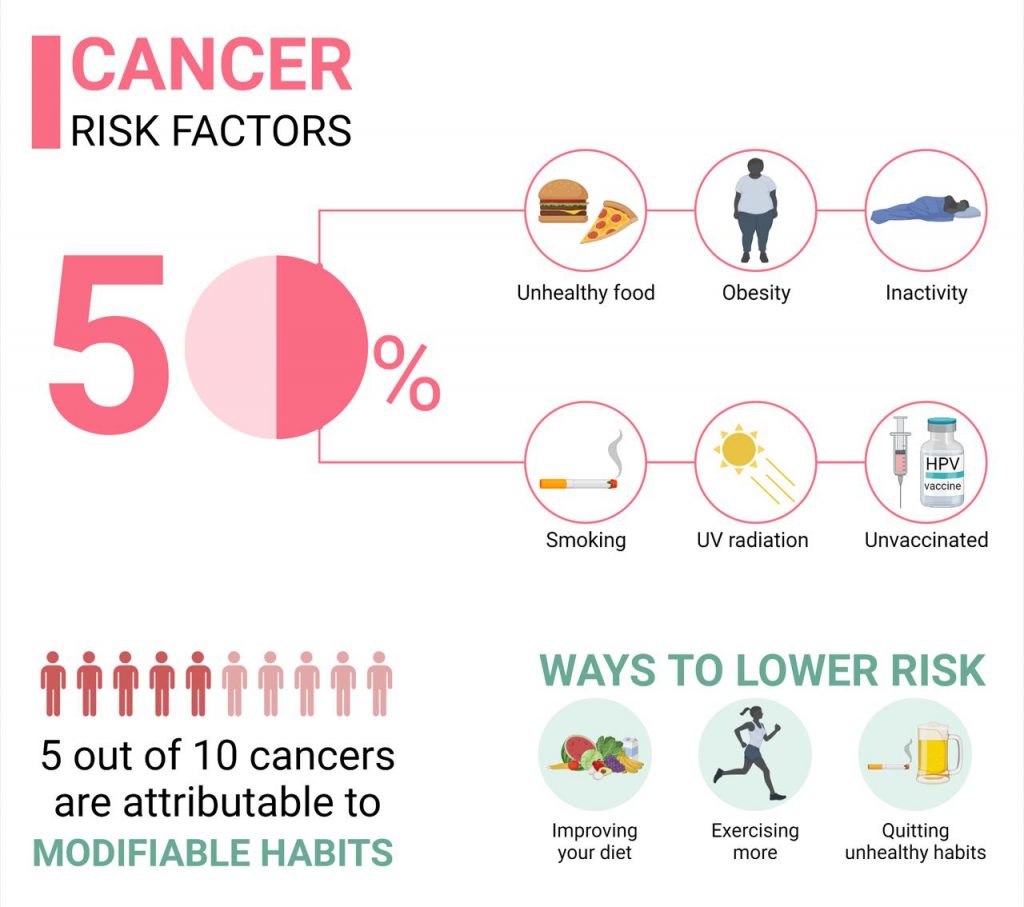
Up to 40% of cancers are preventable. Healthy diets, regular physical activity, maintaining ideal body weight, avoiding tobacco, limiting alcohol, protecting skin from excessive sun exposure, and vaccinations against HPV and Hepatitis B can dramatically reduce cancer risk.
Screening remains one of the most powerful weapons we have. Mammograms, Pap smears, colonoscopies, and low-dose CT scans can detect cancer before symptoms appear. Many cancers grow silently—absence of pain does not mean absence of disease.
A call to Goa: Help is available
THE government of Goa has been actively conducting cancer detection and screening campaigns across the state. These initiatives exist because early detection works. They are opportunities — free, accessible, and life-saving. It is in the process of developing a state-of-the-art cancer hospital at GMC.
“Cancer screening is not a sign of fear; it is a sign of wisdom,” I often remind people. Citizens must come forward, participate in these programs, and encourage family members to do the same.
Seeking help early is not weakness—it is courage.
United by unique, strengthened by solidarity
The theme “United by Unique” speaks directly to us. Every cancer patient is unique in their biology, emotions, fears, and hopes. But our response must be united — doctors, policymakers, families and communities standing together.
Cancer does not affect just the body; it touches households, livelihoods, and futures. Early detection transforms cancer from a death sentence into a challenge that can be met.
THIS World Cancer Day let us promise not to look away from early signs, not to delay screenings, and not to allow fear to silence us. Because when cancer is detected early, hope is not delayed — and life gets a fighting chance.
 LETTER TO THE EDITOR FOR THE ISSUE DATED MARCH 21, 2026
 LOOK BACK IN ANGER, LOOK AHEAD WITH RESOLVE!By Gautam Patel
 OUR WOUNDED MANDOVI RIVER MAI! By Raaisa Lemos Vaz
 GARDEN SUBURB TO MONSTER TOWERS…Chembur then and now!
 PROTESTS PART OF GOAN DNA!
 `FISH CURRY AND RICE’ FOR GOANS
 OF IT IS GUDI PADWA…
 MIRABAG DAM WORK HALTED!
 THE WAR AGAINST TB Yes, we can end TB… By Dr Amit Dias
 70 ILLEGAL STRUCTURES USURP PRIME BEACH SPOTS FOR ILLICIT AIMS!By Dr Olav Albuquerque
 WEEKEND UPDATES
 LETTERS TO THE EDITOR FOR ISSUE DATED MARCH 14, 2026
 TOWERING INFERNOS OF GOA COMING!By Raaisa Lemos Vaz
 MIRABAG GIFTED TO ADANI!
 DEPOSITS REFUND SCAM!WHO BENEFITS FROM THE RS 10.. By Misbah Quadri
Goa is abuzz with excitement as vintage bike and car owners, users, collectors and fans are decking […]