Goa is abuzz with excitement as vintage bike and car owners, users, collectors and fans are decking […]
Old is Gold
October 4, 2016
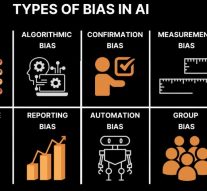
Artificial Intelligence (AI) brings enormous benefits, but when deployed without care, regulation, and accountability, it can cause serious social, economic, political, and ethical harm. Below is a clear, practical overview.
• AI systems learn from historical data, which often contains embedded human prejudice.
• Results include discrimination in hiring, lending, policing, healthcare, and welfare.
• Facial-recognition tools have shown higher error rates for women and darker-skinned people, leading to wrongful suspicion or arrests.
Harm: Systemic injustice becomes automated and scaled.
Harm: Democracy, public trust, and social cohesion erode.
Harm: Chilling effect on freedom, speech, and civil liberties.
Harm: Growing inequality and social instability.
Harm: Accountability disappears; justice becomes unchallengeable.
Harm: Escalation of conflict and loss of human moral control.
Harm: Human authorship, originality, and credibility are weakened.
Harm: Mental health deterioration and dependency.
The Core Problem
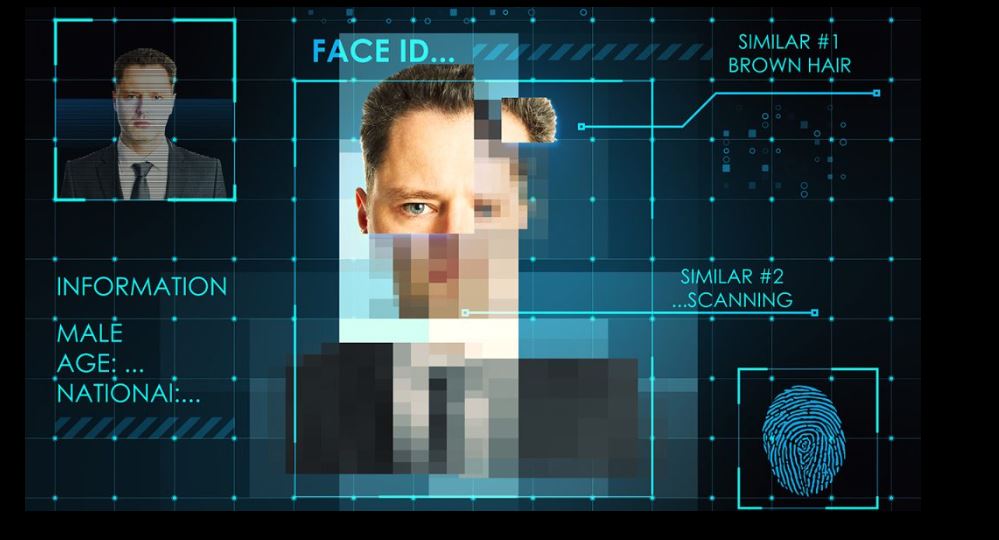
AI itself is not evil — harm arises from who controls it, how it is trained, and whether it is regulated.
What Can Reduce Harm
• Strong laws on data protection, transparency, and accountability
• Mandatory human oversight in critical decisions
• Public-interest journalism and audits of AI systems
• Ethical standards rooted in human rights, not profit alone
If you wish, I can:
• Tailor this as an op-ed for Goan Observer
• Focus on AI harm in journalism, policing, or healthcare
• Create a print-ready explainer or illustrated poster
• Connect it to Goa-specific governance and surveillance issues
Just tell me how you’d like to use it.
When Artificial Intelligence Becomes Artificial Injustice
An Op-Ed
Artificial Intelligence is being sold to the public as a neutral, almost divine force — efficient, objective, tireless. Governments celebrate it, corporations worship it, and citizens are told it is inevitable. That narrative is dangerously incomplete.
AI is not an independent intelligence. It is a mirror of power — reflecting the prejudices, priorities, and profits of those who design and deploy it. When unchecked, AI does not merely assist society; it amplifies inequality, erodes democracy, and weakens human agency.
Bias at Machine Speed
AI systems are trained on historical data — and history is deeply unequal. When prejudice enters an algorithm, it becomes systemic, invisible, and fast.
Whether in recruitment, policing, credit scoring, or welfare delivery, biased AI decisions are often treated as “objective” simply because a machine produced them. The result is automation of injustice with no human face to question and no authority clearly accountable.
Truth in the Age of Deepfakes
AI-generated images, voices, and videos have shattered the idea of verifiable truth. A politician can plausibly deny a real recording. A fake speech can trigger violence before fact-checkers even wake up.
Democracy depends on a shared sense of reality. AI-driven misinformation is not just a technological problem — it is a constitutional threat.
Surveillance Without Consent
AI-powered facial recognition and behavioural tracking are spreading faster than public debate or legal safeguards. Citizens are monitored not because they are suspects, but because they are data.
The danger is not science fiction. It is the quiet normalisation of surveillance — where fear replaces freedom and dissent becomes a data point.
Jobs Lost, Wealth Concentrated
AI is replacing not only manual labour but cognitive work — journalists, translators, designers, call-centre staff. Productivity rises, but benefits flow upward.
Without social safeguards, AI risks creating an economy where efficiency grows while livelihoods disappear.
The Black Box of Power
Perhaps the most disturbing aspect of AI is opacity. People are denied loans, insurance, parole, or medical priority without understanding why. When decisions cannot be explained, they cannot be challenged.
Justice without explanation is not justice. It is algorithmic authority masquerading as progress.
The Real Question
The issue is not whether AI is good or bad. The real question is:
Who controls it? Who audits it? Who benefits — and who pays the price?
Technology without ethics becomes tyranny by design.
A Way Forward
AI must serve humanity, not replace human judgment. This requires:
• Strong transparency and accountability laws
• Mandatory human oversight in critical decisions
• Protection of data as a civic right, not a commodity
• Journalism that interrogates algorithms, not glorifies them
Artificial Intelligence can assist human progress — but only if human values remain in command.
If we surrender ethics at the altar of efficiency, we may gain smarter machines and lose a just society.
If you want, I can:
• Tighten this to 800 words for print
• Localise it to Goa or Indian governance
• Add a hard-hitting headline + pull quotes
• Prepare a print-ready Goan Observer layout
 LETTER TO THE EDITOR FOR THE ISSUE DATED MARCH 28, 2026
 GOA’S GILDED HIGH RISE SLUMS!By Raaisa Lemos Vaz
 DIRTY TOWERS OF GOA!
 UNCLEAN WATER, CARRIER OF DISEASE! By Dr Amit Dias, MD
 LOOKING BACK AT GOA IN 60S! By Arvind Pinto
 THE ROAD WE STILL WALK: CONFRONTING CASTE ON VAIKOM’S ANNIVERSARY! By Prema Viswanathan
 WILL THE NEW ADVOCATES PROTECTION BILL STOP ATTACKS ON LAWYERS?By Dr Olav Albuquerque
 ABHINANDAN LODHA CONQUERS BICHOLIM
 IT’S `NIMBU-SODA’ SEASON!
 `Our Rights: Essays on Law, Justice and the Constitution’ by Dr Justice F I Rebello WHAT ARE YOUR RIGHTS?Most of us don’t even know!
 WEEKEND UPDATES
 LETTER TO THE EDITOR FOR THE ISSUE DATED MARCH 21, 2026
 LOOK BACK IN ANGER, LOOK AHEAD WITH RESOLVE!By Gautam Patel
 OUR WOUNDED MANDOVI RIVER MAI! By Raaisa Lemos Vaz
 GARDEN SUBURB TO MONSTER TOWERS…Chembur then and now!
Goa is abuzz with excitement as vintage bike and car owners, users, collectors and fans are decking […]