Goa is abuzz with excitement as vintage bike and car owners, users, collectors and fans are decking […]
Old is Gold
October 4, 2016

THE high court of Bombay at Goa’s decision to quash the 2013 SIT FIRs against seven mining firms has ignited fresh public outrage, mirroring the ongoing coastal controversies over CRZ violations and town planning. This development exposes the deeply entrenched nexus between politicians, the building lobby, and extractive industries, raising profound questions about accountability.
Mining, tourism, agriculture and now education have emerged as the backbone for the economy of India’s tiniest coastal state. Governments like the MGP came to power because Goa’s first chief minister Dayanand Bandodkar was himself a mine owner and it was alleged he would look after the interests of the mining lobby in Goa. The move to merge Goa with Maharashtra would indirectly have benefitted this mining lobby.
The recent High Court ruling has once again thrown the spotlight on Goa’s long-standing mining crisis. The court set aside the First Information Reports (FIRs) registered by the Special Investigation Team against seven major mining companies. This decision followed the Supreme Court’s earlier move to set aside the specific 2012 order that had led to these criminal proceedings.
BLOW FOR GOANS
FOR the ordinary Goan, this feels like a devastating blow. It brings back memories of the Justice M B Shah Commission’s staggering estimate that illegal mining cost the State exchequer nearly Rs35,000 crore. The cancellation of these cases raises an unsettling question: Who, if anyone, will be held accountable for the brazen looting of our natural resources?
Ecological Assault & Urbanization
THIS mining controversy perfectly complements the other major issue currently dominating the local dailies: the relentless assault on Goa’s coastal belts and village lands. There is palpable anger across the state regarding the Town & Country Planning (TCP) Department’s moves to push through urbanization policies that threaten the ecological balance of our villages.
Village communities are up in arms over renewed attempts to bend Coastal Regulation Zone (CRZ) rules. The building lobby, in tandem with influential politicians, appears to have set its sights on pristine coastal lands, backwaters, salt pans, and fragile khazan lands. For months, the people of Goa have been fighting back, forcing the government into making U-turns on mega-development plans.
The Enough Is Enough movement has galvanized public opinion, bringing villagers out in protests against unchecked urbanization and un-kept political promises. The fact that citizens must take to the streets and march to the TCP office to protect their own backyards speaks volumes about the disconnect between the people and the government.
A Crisis of Trust
THESE twin controversies — the quashing of mining cases and the controversial zoning notifications — highlight a deeper crisis of trust between the Goan electorate and the administration. In the public eye, institutions that are meant to protect the environment and penalize wrongdoers appear to be failing them.
When mining firms are let off the hook due to technical or procedural unravelling of cases, it reinforces the public perception that the powerful can evade justice. Similarly, when the TCP ministry pushes through massive urbanization proposals in eco-sensitive zones, it suggests that the government is prioritizing the profits of the real estate mafia over the well-being of the local population.
The Role of the Media
IN these turbulent times, the role of local dailies and alternative media platforms like the Goan Observer is essential for maintaining public discourse. The English dailies in Goa have tried to these environmental and legal issues to the forefront. However, documenting these controversies carries inherent challenges.
Journalists investigating land use, environmental policy, and administrative decisions often face significant pressure and legal hurdles. The irony is that the newspapers in Goa are owned by the mining lobby. These bigwigs have contested elections and own the colleges in the state which they run through charitable trusts.
The Road Ahead
GOA currently finds itself at a critical crossroads. The issues regarding mining litigation and coastal development are viewed by many as part of a broader challenge regarding state resources. Without sustained civic engagement, Goa’s unique character faces the risk of rapid and potentially irreversible urbanization.
The immediate task for the public is to remain informed and engaged. Movements like the one in Mandrem and the public discourse surrounding the 56-village zoning proposals demonstrate that civic interest in Goa remains strong. These events suggest a growing public demand for the government to ensure that environmental laws are strictly followed and that local governing bodies like gram sabhas are central to the planning process.
Effective governance will require respecting the public mandate through transparent town and country planning, strict enforcement of CRZ regulations, and a clear resolution to the questions surrounding mining resources. Protecting Goa’s identity and environmental heritage requires constant attention and a commitment to unified, lawful action.
A Goa miner’s body recently took its concerns to the Prime Minister’s Office over the impact of a Supreme Court order that quashed the second renewal of 88 iron ore mining leases on the state’s economy and jobs.
Goa Mineral Ore Exporters’ Association
(GMOEA) President Ambar Timblo told PTI that they met “Principal Secretary to the Prime Minister Nripendra Misra”, and apprised the PMO about the impact of closure of mining operations from March 15 following the SC order. Timblo said the secretary listened to their “problems patiently”, but did not elaborate whether the delegation was given any assurance.
In a letter submitted to the PMO, the miners’ body updated the top office about the adverse impact of closure of mining operations on those dependent on the industry and the loss of revenue for the state exchequer, Timblo said.
“The effect on the economy, employment and investment credibility going forward, as this is the worst economic event in recent history,” he alleged.
The immediate impact would be loss of about 60,000 direct and indirect jobs and about 3 lakh those dependent on mining and about Rs 3,400 crore revenue loss. In the last ten years, Goa has contributed nearly Rs30,000 crore, he claimed.
Goa miners and other stakeholders have been running from the pillar to post to gather support after the apex court held as illegal the renewal given to companies for 88 iron ore mining leases in the state.
 LETTER TO THE EDITOR FOR THE ISSUE DATED OCTOBER 10, 2026
 WHEN THE MACHINE OVERRIDES THE LAW!
 HAS GOA BECOME MORE PERMISSIVE? By Special Correspondent
 BILLIONAIRES MULTIPLYING AT THE COST OF THE MIDDLE CLASS!
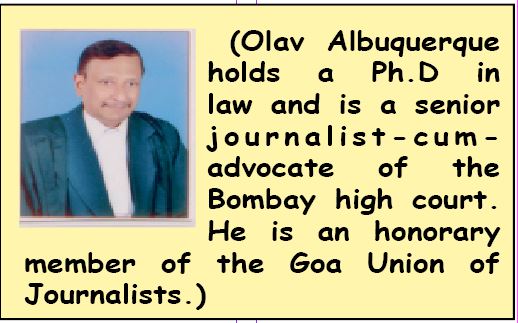
 THE SHADOW OF VOTE THEFT: WHY CEC GYANESH KUMAR MUST RESIGN!By Dr Olav Albuquerque & Deborah Cordeiro
 ULTRA MODERN ‘MID-DAY’ OFFICE
 HI MUMBAI MERI JAAN BUT…
 TCS INVOLVED IN SIR MATCH FIXING!
 CEREBRAL PALSY: UNDERSTANDING ABILITY, ENABLING INCLUSION! By Dr Amit Dias
 WEEKED UPDATES
 LETTER TO THE EDITOR FOR ISSUE DATED OCTOBER 03, 2026
 GEN-Z BLOCKED FROM VOTING BY GYANESHWAR MODI!
 THE FORAL OF 1526 Five Hundred Years Later, What Does Goa’s Oldest Village Charter Really Mean?
 20 YEARS IN ‘HERALD’, 43 IN GOA!
 THE DEGRADATION OF JNU – MY ALMA MATER! By Arvind Pinto
Goa is abuzz with excitement as vintage bike and car owners, users, collectors and fans are decking […]