Goa is abuzz with excitement as vintage bike and car owners, users, collectors and fans are decking […]
Old is Gold
October 4, 2016
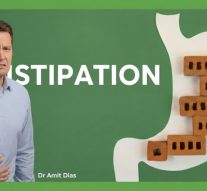
December is observed as Constipation Awareness Month. To help us navigate this “traffic jam inside the gut,” Dr Amit Dias takes the wheel — steering us through the science, the symptoms, the myths, and the solutions. Let’s talk openly about the condition everyone experiences, but few are willing to discuss.
By Dr Amit Dias
If there is one ailment that unites people across age, gender, geography and social class, it is constipation. Yet, we hesitate to speak about it. As I often joke with my students, “Nothing moves people like constipation — when nothing moves at all.” And so, every December, as the world prepares for the festivities and gifts, let’s take a moment to unwrap a topic that is often brushed under the carpet: Constipation.
This silent, uncomfortable, and often embarrassing problem affects millions, but the good news is that it is both preventable and manageable. Let’s break it down — gently, of course.
What Exactly Is Constipation?
Constipation is not just “not going to the toilet.” Medically, it refers to:
Fewer than three bowel movements per week,
Hard, dry, lumpy stools, Straining,
A sensation of incomplete evacuation, or
Difficulty passing stools.
Doctors call stool consistency the true measure of constipation — and the Bristol Stool Chart categorises stools from Type 1 (hard lumps like nuts) to Type 7 (entirely liquid). Types 1 and 2 are classical constipation.
A great saying goes, “The bowels are the body’s truth-tellers.” When they slow down, they are often telling us something important.
Who Gets Constipation? – The Demographics
Constipation is far more common than people realise. Globally, about 15–20% of people suffer from chronic constipation. It occurs:
Twice as often in women as in men,
More commonly in the elderly, especially those above 60,
Frequently in children, particularly during toilet training phases and school routines,
In people with sedentary lifestyles,
And in individuals with chronic illnesses such as diabetes, hypothyroidism, neurological disease and those on multiple medications.
In India, community studies show that one in every five adults reports symptoms of constipation, and the number rises with urbanisation, dietary changes and stress.
Acute vs Chronic Constipation
Constipation could be simply classified into two basic types:
Acute Constipation
This is sudden, short-term, and usually due to dehydration, dietary changes (think wedding season buffets), travel, or temporary illness. It usually resolves with simple interventions.
Chronic Constipation
This is long-standing and persists for weeks or months. Chronic constipation may be due to:
Slow bowel movement (slow-transit constipation),
Pelvic floor disorders,
Medication side effects,
Underlying metabolic or neurological diseases,
Poor diet and lifestyle.
Chronic constipation affects quality of life, productivity, sleep, and even mood — the gut is, after all, our “second brain.”
Recognising Constipation in Children
Constipation can affect children as well, including newborn babies. Children are not mini adults; their signs and behaviours can be different and one must be aware of them:
Parents often mistake constipation for naughtiness or stubbornness. But watch for:
Infrequent stools,
Painful defecation,
Withholding behaviour (hiding, tip-toeing, crossing legs),
Blood-streaked stools,
Abdominal bloating,
Soiling of underwear (encopresis).
The Bristol Stool Chart applies here too — Types 1 and 2 indicate constipation.
Many children develop constipation when starting school due to reluctance to use the school toilet, poor fluid intake, change in routine or stress.
Remember the proverb: “A stitch in time saves nine.” Early recognition prevents chronic problems.
Why Does Constipation Happen? – The Common Causes
There is no single culprit. Constipation is often multi-factorial:
Low Fibre Intake – Modern diets are high in polished grains, low in fruits and vegetables.
Inadequate Water Intake – The colon reabsorbs water, making stools hard.
Lack of Physical Activity – Sedentary lifestyles slow bowel motility.
Ignoring the Urge – Habitually delaying bowel movement leads to harder stools.
Medications – Painkillers, iron tablets, antacids, anti-allergy medicines, some psychiatric drugs.
Medical Conditions – Thyroid disorders, diabetes, pregnancy, neurological disease, irritable bowel syndrome.
Psychological Factors – Stress, anxiety and change of routine.
Age-Related Changes – Slower metabolism, weaker muscles, and multiple medications.
Complications – What Happens If We Ignore It?
Constipation is not just discomfort; chronic untreated constipation can lead to:
• Haemorrhoids (piles)
• Anal fissures
• Rectal prolapse
• Fecal impaction
• Dependence on laxatives
• Reduced appetite and abdominal pain
• Urinary problems, especially in children
And, importantly, severe constipation in the elderly can mimic or worsen dementia by causing confusion.
As the saying goes, “When the gut suffers, everything else follows.”
Prevention:
To make prevention easy, remember the word “FIBRE-HABIT”:
F – Fluids
Drink 6–8 glasses of water daily.
I – Intake of Fibre
Aim for 25–30 g/day from fruits, vegetables, legumes, whole grains.
B – Bowel Routine
Maintain a regular toilet schedule, ideally after meals.
R – Regular Exercise
Walk, stretch, or engage in 30 minutes of activity.
E – Ease Stress
Relaxation, sleep hygiene, and mental well-being improve gut function.
H – Healthy Toileting Posture
Use a footstool to elevate feet; it straightens the rectal passage.
A – Avoid Excess Processed Foods
Limit refined foods and heavy fatty meals.
B – Be Aware of Medications
Check for constipating drugs and consult your doctor.
I – Improve Gut Flora
Probiotics and fermented foods may help some people.
T – Timely Medical Consultation
Red flags like bleeding, weight loss, vomiting, or sudden onset in elderly need immediate evaluation.
Myths vs Facts
Myth 1: “Everyone must pass stool daily.”
Fact: Normal frequency ranges from three times a day to three times a week.
Myth 2: “Laxatives are harmful.”
Fact: When used correctly and under medical supervision, many laxatives are safe.
Myth 3: “Children outgrow constipation automatically.”
Fact: Early treatment prevents long-term problems.
Myth 4: “Drinking more milk helps.”
Fact: In some children, excessive dairy worsens constipation.
Myth 5: “Constipation is a disease of old age only.”
Fact: It affects all ages, including infants.
Final Thoughts
Constipation is nothing to be embarrassed about — it is a medical condition with clear solutions. Let us use this December to break the silence, spread awareness, and improve our digestive health.
As we wrap up Constipation Awareness Month, remember:
“Listen to your gut. It speaks the truth — sometimes softly, sometimes loudly.”
 LETTER TO THE EDITOR FOR ISSUE DATED SEPTEMBER 19, 2026
 ELEVATED HIGHWAY TO HELL!
 MEDICAL DEVICES LOOT!By GS Mudur
 HOSTILE ACT BY PAKISTAN: `PNS HUNAIN’ TRIED TO DISRUPT OUR NAVAL SURVEILLANCE! By Dr Olav Albuquerque & Deborah Albuquerque
 BLACK MONEY IN POLITIAL PARTIES: ADR’s Alarming Revelations By Arvind Pinto
 `KHANDVI MILLE-FEUILLE’ AT BRICS ALL VEG BUFFET!
 SATYA NIKETAN TRAGEDY: HOW GLOBAL STUDENT HOUSING MODELS COULD HELP INDIA FIX A BROKEN SYSTEM!By Sneha Swaminathan
 GANESH PANDALS HIJACKED BY ADANI, AMBANI
 WHY DOES A DEMENTIA DIAGNOSIS MATTER? By Dr Amit Dias
 WEEKEND UPDATES
 LETTERS TO THE EDITOR FOR ISSUE DATED SEPTEMBER 12, 2026
 GOAN TEACHERS ARE CONTRACT LABOR!
 THE COLOUR IS PRESTIGIOUS! THE PROCESS MUST BE EQUALLY SO!
 DOGS ATTACK GOANS, OWNERS GET ACQUITTED!By Dr Olav Albuquerque & Deborah Cordeiro
 CYBER FRAUD: A THREAT TO FINANCIAL SECURITY & MENTAL WELL-BEING! By Adv Vinayak (Mama) D Porob
Goa is abuzz with excitement as vintage bike and car owners, users, collectors and fans are decking […]