Goa is abuzz with excitement as vintage bike and car owners, users, collectors and fans are decking […]
Old is Gold
October 4, 2016
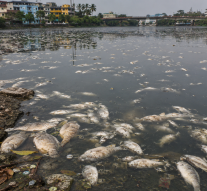
There is been large scale mortality of fish across the rivers and lakes of Goa due to a very high degree of pollution from arbitrary sewage discharge…
GOA is world-renowned for its sun-kissed beaches, vibrant coastal culture, and rich culinary heritage, where fish curry-rice is a staple of daily life. However, beneath the sparkling surface of its celebrated rivers, lakes, and estuaries, a quiet ecological crisis has been unfolding. Over recent years, locals and environmentalists have been alarmed by a recurring, tragic sight: thousands of dead fish floating belly-up along river stretches like the Mandovi, Zuari, and Sal, as well as historic inland lakes like Carambolim and various village ponds.
These mass mortality events are not isolated accidents. Instead, they serve as a flashing warning sign from an aquatic ecosystem pushed to its absolute limit by rapid urbanization, tourism pressures, and changing weather patterns. To protect Goa’s biodiversity and food security, we must understand exactly why these fish are dying and what can be done to reverse the trend.
SYSTEMATIC FAILURE
THE recurring nature of these events points to a systematic failure in managing local water bodies. Several key areas have witnessed severe die-offs:
Mala Lake: A highly vulnerable zone that has experienced multiple mass fish deaths, including incidents where prized local varieties like Giant Sea Perch (chonak) and Pearl Spot (kalundar) died overnight.
Campal Lakeview Colony Lake: Directly connected to the heavily stressed St Inez Creek, this water body has seen repeated flare-ups of floating dead fish, sparking immense local alarm.
Carambolim Lake: An Important Bird and Biodiversity Area (IBA) where severe fish mortality has historically clashed with its status as a world-famous winter refuge for migratory birds.
Agacaim: Agricultural and tidal runoff channels where toxic waste dumping has historically decimated local populations of crabs, snails, and commercial fish.
CORE CULPRIT: INVISIBLE SEARCH FOR OXYGEN
WHEN thousands of fish die simultaneously without external signs of physical trauma or injury, the primary culprit is almost always hypoxia – sudden, catastrophic drop in dissolved oxygen levels.
Just like humans need clean air to breathe, aquatic life relies on microscopic oxygen molecules dissolved directly into the water. In a healthy tropical aquatic ecosystem, dissolved oxygen levels should consistently hover between 4 to 5 milligrams per liter. When environmental pollution disrupts the balance, these levels can plummet to near zero in a matter of hours, effectively suffocating everything beneath the surface.
Why Is This Happening Across Goa?
THE Goa State Pollution Control Board (GSPCB) along with institutes like the ICAR-Central Coastal Agricultural Research Institute (CCARI) have identified a web of interconnected human and natural activities driving these events.
DYING LANDSCAPES OF OLD
THE impact of repeated fish mortality stretch far beyond an unpleasant smell or a temporary blemish on a tourist landscape. The consequences rip through Goa’s ecological and socioeconomic fabric:
Livelihood Strains: Small-scale, traditional fishermen who rely entirely on inland rivers and estuaries face immediate financial losses when local fish stocks collapse.
Biodiversity Loss: Constant environmental shock wipes out sensitive native species, leaving the water dominated by hyper-resilient or invasive species, permanently altering the ecosystem.
Public Health Risks: While mass die-offs usually prompt immediate cleanups, chronic low-grade pollution leads to bioaccumulation– where toxic metals or chemicals build up inside the tissue of surviving fish, eventually making their way onto local dinner plates.
Fixing Goa’s water bodies requires moving away from reactive cleanups and moving toward proactive, scientific management. The recurring fish mortality cases across Goa are a clear reminder that economic progress and environmental preservation cannot be separated. The rivers and lakes that shaped Goa’s history and support its legendary cuisine require active protection. By treating waste responsibly, restoring natural water flows, and utilizing modern monitoring tools, Goa can clean up its precious water bodies – ensuring they remain vibrant, healthy ecosystems for generations to come.
 LETTER TO THE EDITOR FOR THE ISSUE DATED OCTOBER 24, 2026
 THERANOS MULTI-BILLION US PATHOLOGY COMPANY EXPOSED!
 INDIA’S PATHOLOGY LABORATORY SCANDAL! By Our Special Correspondent
 MUKESH, ADANI CONTROL MODI?By Our Special Correspondent
 “FRANCE KE SCHOOL THIK KARO”By Paris Correspondent
 INTEGRITY MUST BE CONDiTION FOR POWER!By Ranadhir Mukhopadhyay
 A PARADIGM SHIFT: POWER MOVES FROM POLITICS TO TECHNOLOGY AND TACTICS! By Arvind Pinto
 HI MUMBAI, MERI JAAN BUT…
 VILLAINOUS MUSK, ALTMAN, ZUCKERBERG, HOLMES!
 OPTOGENETICS AND THE RAY OF HOPE: LIGHT MEETS THE BRAIN! By Dr Amit Dias
 WEEKEND UPDATES
 LETTER TO THE EDITOR FOR THE ISSUE DATED OCTOBER 17, 2026
 AZAD MAIDAN NO LONGER FREE!
 AZAD MAIDAN CRACKDOWN! Goa’s crackdown on protesters raises grave questions about democracy! By Our Special Correspondent
 INDIAN WOMEN ARE ON THE STREETS AGAIN. EVERYTHING HAS CHANGED BUT NOTHING HAS CHANGED!By Shilpa Phadke
Goa is abuzz with excitement as vintage bike and car owners, users, collectors and fans are decking […]