Goa is abuzz with excitement as vintage bike and car owners, users, collectors and fans are decking […]
Old is Gold
October 4, 2016
By Dr Amit Dias, MD
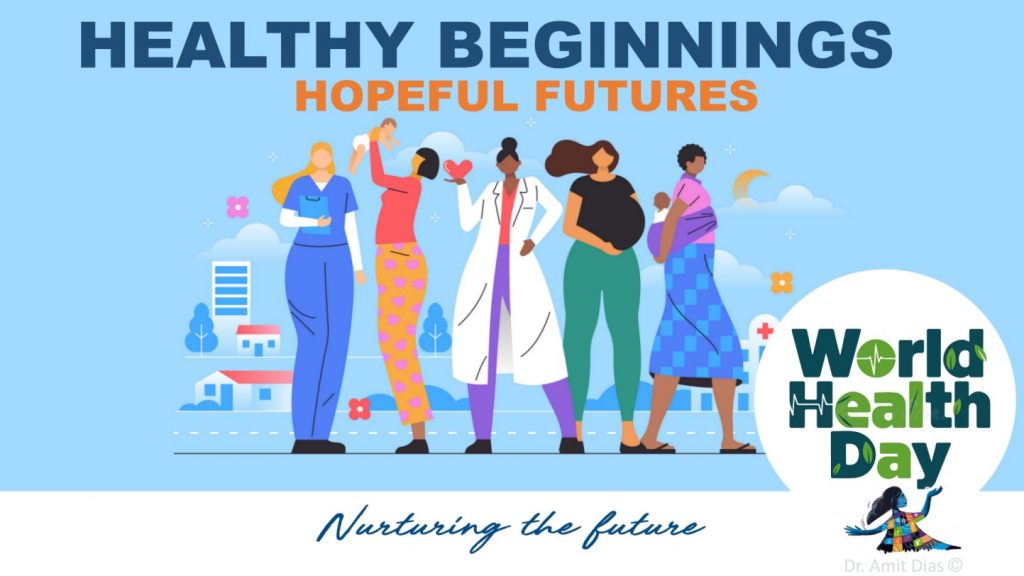
EVERY year on April 7, the world unites to celebrate World Health Day, highlighting critical global health issues that require immediate attention. The theme for 2025 — “Healthy Beginnings, Hopeful Futures” — underscores the importance of maternal and newborn health. This year-long campaign aims to end preventable maternal and newborn deaths while prioritizing women’s long-term health and well-being. The theme resonates deeply with India’s healthcare landscape, where decades of intervention and policy implementation have significantly improved child survival and safe motherhood. The successful Goa model of innovative interventions for improving health care is bearing fruit and assures us of a brighter future.
Maternal and newborn health: A priority
GLOBALLY, maternal and newborn health remains a pressing concern. Each year, nearly 300,000 women lose their lives due to pregnancy or childbirth-related complications, while over 2 million babies die within their first month. Additionally, 2 million more are stillborn, making maternal and infant mortality one of the biggest healthcare challenges worldwide. Shockingly, one preventable death occurs every seven seconds.
Despite advancements, current trends suggest that four out of five countries are off track to meet the 2030 Sustainable Development Goals (SDGs) for maternal survival, and one in three nations will fail to reduce newborn deaths effectively. The statistics make it clear: the world must act with urgency.
India’s progress in ensuring child survival and safe motherhood:
OVER the past 50 years, India has made significant strides in reducing maternal and infant mortality rates. In 1971, India’s Maternal Mortality Ratio (MMR) was 556 deaths per 100,000 live births—a figure that has steadily declined to 97 per 100,000 live births in 2020. Similarly, the Infant Mortality Rate (IMR) has decreased from 129 per 1,000 live births in 1971 to 27 per 1,000 live births in 2022. These achievements reflect the success of targeted interventions in maternal and child healthcare.
Government initiatives driving change
THE Government of India has implemented various programs over the years aimed at improving maternal and child health, currently called the RMNCHA+N program.
Janani Suraksha Yojana (JSY): Launched in 2005 under the National Health Mission, JSY promotes institutional deliveries by providing financial incentives to pregnant women and healthcare workers.
Pradhan Mantri Surakshit Matritva Abhiyan (PMSMA): This program ensures free antenatal check-ups, focusing on early detection of pregnancy-related complications to reduce maternal and newborn mortality.
Rashtriya Bal Swasthya Karyakram (RBSK): Aims at early identification and intervention for birth defects, diseases, deficiencies and developmental delays in children.
Poshan Abhiyaan: Launched in 2018, this national nutrition mission targets malnutrition among pregnant women, lactating mothers, and children under five.
Ayushman Bharat: This initiative provides comprehensive healthcare services, including maternal and newborn care, through its health and wellness centers.
LaQshya Initiative: Focuses on improving the quality of maternal care in labor rooms and maternity wards.
These initiatives have collectively enhanced maternal and newborn survival rates while ensuring holistic healthcare for women and children.
The Goa Model:
Goa’s Exceptional Performance in Maternal and Child Health
GOA stands out as one of India’s best-performing states in maternal and newborn health. The state has achieved remarkable progress, with an MMR of less than 50 per 100,000 live births and an IMR of just 6 per 1,000 live births — comparable to developed nations.
Goa’s success can be attributed to the universal institutional deliveries facilitated by government-run hospitals and private healthcare providers. Innovative health initiatives under the Goa model of health care. Better health surveillance and mechanisms to take corrective action.
High literacy rates among women, leading to better awareness of maternal and newborn health practices, this also contributes to lower total fertility rate despite lower couple protection rate. Robust immunization programs ensuring newborns receive essential vaccinations on time.
Challenges and the Road Ahead
DESPITE progress, several challenges remain:
Healthcare disparities: Rural areas still experience higher maternal and infant mortality compared to urban centers.
Anemia among pregnant women: Nearly 50% of pregnant women in India suffer from anemia, increasing the risk of complications.
Limited access to emergency obstetric care in remote areas: While institutional deliveries have increased, critical maternal care services must be strengthened, especially in underserved regions.
Postnatal care gap: Ensuring comprehensive postnatal follow-up remains a challenge.
The Way Forward:
TO ensure “Healthy Beginnings, Hopeful Futures” India must:
Strengthen primary healthcare for reproductive health. Address the barriers to maternal health care. Enhance emergency obstetric services by improving referral networks and infrastructure. Expand awareness programs on maternal nutrition and mental health. Implement digital health solutions to improve maternal care access in rural areas.
Also, prioritize postpartum care, addressing both physical and emotional well-being. Improve the outreach through ANMs and ASHA Workers. Currently, Goa does not have the services of the ASHA workers which are available in other states.
A Call to Action
WORLD Health Day, 2025 serves as a reminder that maternal and newborn health should remain at the forefront of global and national healthcare priorities. Every woman and child deserves high-quality, respectful, and compassionate care before, during and after birth.
The Indian government’s commitment to improving maternal and child health has yielded promising results, yet the mission is far from complete. By investing in maternal and newborn care today, we are shaping healthier generations for tomorrow—fulfilling the true essence of “Healthy Beginnings, Hopeful Futures.”
As individuals, communities and policymakers, we must work collectively to create a world where no mother or newborn dies needlessly. Let this World Health Day be a catalyst for action, ensuring that every child gets the healthiest start in life and every mother receives the care she deserves.
 LETTER TO THE EDITOR FOR ISSUE DATED OCTOBER 03, 2026
 GEN-Z BLOCKED FROM VOTING BY GYANESHWAR MODI!
 THE FORAL OF 1526 Five Hundred Years Later, What Does Goa’s Oldest Village Charter Really Mean?
 20 YEARS IN ‘HERALD’, 43 IN GOA!
 THE DEGRADATION OF JNU – MY ALMA MATER! By Arvind Pinto
 THE WOMEN WHO LOOK BACK! By Prema Viswanathan
 GOA IS CELEBRITY STATE!
 HI MUMBAI MERI JAAN BUT…
 WEEKEND UPDATES
 LETTER TO THE EDITOR FOR ISSUE DATED SEPTEMBER 26, 2026
 DIVIDED EVEN IN DEATH!By Rajan Narayan
 IF YOU CLAIM THE CREDIT, TAKE THE RESPONSIBILITY!By Joquim Goes
 8 EMAILS IN 7 DAYS, BUT VALID GOA VOTERS STILL LEFT OUT: EC’S FLAWED SYSTEM!By Ritika Chopra
 MAKE IN INDIA: UNITED PAYMENTS INTERFACE India’s digital local leap to global benchmark…By Arvind Pinto
 BRING BACK THE FLATBREADS OF INDIA!
Goa is abuzz with excitement as vintage bike and car owners, users, collectors and fans are decking […]