Goa is abuzz with excitement as vintage bike and car owners, users, collectors and fans are decking […]
Old is Gold
October 4, 2016
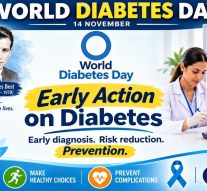
DIABETES is perhaps one of the most deceptive diseases of our times. It can quietly progress for years, causing damage to the heart, kidneys, eyes and nerves, even before a person realises that something is wrong. By the time diabetes is diagnosed, the damage may have already begun. At every festive season, before you indulge in sweets, think about your health.
This is the concern highlighted by this year’s World Diabetes Day campaign. More than 40% of people living with diabetes globally remain undiagnosed, while up to 50% of people with type 2 diabetes may already have complications at the time of diagnosis. These are not merely statistics; they represent millions of people who are losing valuable years during which early intervention could make a difference.
Observed every year on November 14, World Diabetes Day commemorates the birth anniversary of Sir Frederick Banting, who, along with Charles Best, played a pioneering role in the discovery of insulin in 1921–22. The 2026 campaign — “Early Action on Diabetes”– reminds us that early diagnosis, timely treatment and risk reduction can prevent complications and save lives.
Goa: Need for urgent lifestyle changes!
THE diabetes situation in Goa deserves particular attention. The landmark ICMR–INDIAB study, one of the largest nationwide studies of diabetes and other metabolic disorders in India, reported a weighted diabetes prevalence of 26.4% among adults in Goa, the highest among the states surveyed in the study.
This means that approximately one in four adults surveyed in Goa had diabetes. The national prevalence was 11.4%. The study also highlighted the substantial burden of prediabetes in India, estimated at 15.3% nationally.
These findings should serve as a wake-up call. Goa’s changing lifestyle, dietary habits, increasing abdominal obesity, physical inactivity and ageing population are important considerations in addressing this epidemic. The challenge is not restricted to urban areas; diabetes prevention and screening must reach villages, workplaces and communities as well.
The most worrying aspect is that many people may be unaware of their condition. Waiting for symptoms before testing is a dangerous strategy because type 2 diabetes can remain asymptomatic for years.
The Diabetes Encyclopaedia: The simplified A to Z guide for everyone
A – Awareness and Abdominal Obesity
Awareness is the first step towards prevention. Excess fat around the abdomen is particularly important because it is associated with insulin resistance. A person may have a seemingly normal body weight but still have excessive abdominal fat. Waist circumference is therefore an important health indicator.
B – Blood Sugar and Blood Pressure
Diabetes is characterised by persistently elevated blood glucose. However, blood pressure is equally important. Diabetes and hypertension together significantly increase the risk of heart attacks, strokes and kidney disease. Both must be monitored regularly.
C – Complications and Carbohydrates
Uncontrolled diabetes can damage the heart, kidneys, eyes, nerves and blood vessels. Carbohydrates influence blood glucose levels, but they should not be eliminated completely. The emphasis should be on choosing whole grains, pulses, vegetables and high-fibre foods rather than refined carbohydrates and sugary products.
D – Diagnosis and DASH Diet
Do not wait for symptoms to appear before getting tested. Diabetes can be detected through fasting blood glucose, HbA1c or an oral glucose tolerance test.
The DASH diet (Dietary Approaches to Stop Hypertension) is an evidence-based eating pattern that can also be useful in diabetes management, particularly when hypertension coexists. It emphasises fruits, vegetables, whole grains, pulses, nuts, low-fat dairy and lean protein, while limiting sodium, saturated fats, processed foods and sugary beverages.
The American Diabetes Association’s 2026 Standards of Care recognises DASH, Mediterranean, vegetarian and other evidence-based eating patterns for diabetes management. The recent DASH4D trial has also examined a modified DASH eating pattern in people with type 2 diabetes and hypertension.
E – Exercise Every Day
Physical activity improves insulin sensitivity and helps regulate blood glucose. Aim for at least 150 minutes of moderate-intensity physical activity each week, such as brisk walking, cycling or swimming. Include muscle-strengthening exercises on two or more days. Avoid sitting continuously for prolonged periods.
F – Fibre and Foot Care
Fibre slows glucose absorption, improves satiety and supports gut health. Include vegetables, fruits, whole grains and legumes in daily meals. Foot care is equally important. Examine your feet regularly for cuts, blisters, cracks or wounds, particularly if you have reduced sensation.
G – Gestational Diabetes
Diabetes can develop during pregnancy and is known as gestational diabetes mellitus. It increases the risk of complications during pregnancy and also raises the mother’s future risk of type 2 diabetes. Appropriate screening during pregnancy and follow-up after delivery are essential.
H – HbA1c and Healthy Habits
HbA1c provides an estimate of average blood glucose over approximately two to three months. It is an important tool for diagnosis and monitoring. Healthy habits, including balanced nutrition, regular exercise, adequate sleep and stress management, form the foundation of diabetes care.
I – Insulin and Insulin Resistance
Insulin is a hormone produced by the pancreas that helps glucose enter the body’s cells. In type 1 diabetes, insulin production is severely deficient or absent. In type 2 diabetes, the body initially becomes resistant to insulin and may eventually fail to produce enough to meet its needs. Insulin is a life-saving treatment and should never be viewed as a punishment or a sign of treatment failure.
J – Junk Food: Just Say No
Frequent consumption of ultra-processed foods, sugary drinks, refined snacks and fast food contributes to obesity and metabolic disease. Make healthier choices the easier choices.
K – Kidney Protection
Diabetes is a leading cause of chronic kidney disease. Regular testing of urine albumin-to-creatinine ratio and estimated glomerular filtration rate (eGFR) helps detect kidney damage early. Good glucose and blood pressure control can delay its progression.
L – Lifestyle and Lipids
Lifestyle modification is the cornerstone of diabetes prevention and management. Cholesterol management is equally important. People with diabetes often require assessment of LDL cholesterol and cardiovascular risk, with statin therapy when indicated.
M – Monitoring and Medication
Regular monitoring helps individuals and healthcare professionals understand whether treatment is working. Take prescribed medicines regularly and never discontinue them simply because blood glucose readings have improved. Treatment should be individualised.
N – Neuropathy and Nutrition
Nerve damage can cause tingling, numbness, burning sensations and loss of sensation, particularly in the feet. Balanced nutrition is essential, and individuals should avoid unproven supplements or miracle cures.
O – Obesity and Oral Health
Obesity is a major modifiable risk factor for type 2 diabetes. Even modest weight reduction can improve insulin sensitivity. Diabetes can also increase the risk of gum disease, making regular dental check-ups important.
P – Prediabetes and Prevention
Prediabetes is a warning sign. Blood glucose levels are higher than normal but have not yet reached the diagnostic threshold for diabetes. This stage offers a valuable opportunity for intervention through weight management, healthy eating and physical activity. Progression to type 2 diabetes can often be delayed or prevented.
Q – Quit Tobacco
Smoking and tobacco use increase cardiovascular risk and worsen the complications associated with diabetes. Quitting tobacco is one of the most beneficial steps a person can take.
R – Regular Screening and Retinal Examination
Screening is particularly important for people with risk factors such as obesity, family history, hypertension, previous gestational diabetes and physical inactivity. People diagnosed with diabetes should undergo regular eye examinations to detect diabetic retinopathy before vision is affected.
S – Symptoms and Sleep
Remember the warning signs: increased thirst, frequent urination, unexplained weight loss, excessive hunger, tiredness, blurred vision and recurrent infections. Poor sleep and sleep disorders, including obstructive sleep apnoea, are also associated with metabolic disturbances.
T – Type 1, Type 2 and Treatment
Type 1 diabetes is an autoimmune condition in which the pancreas produces little or no insulin. Type 2 diabetes is associated with insulin resistance and progressive impairment of insulin secretion. Both require appropriate medical care. Diabetes is manageable, and people living with it can lead long, productive lives.
U – Understand Your Numbers
Know your fasting glucose, HbA1c, blood pressure, cholesterol, kidney function and weight. Understanding these numbers empowers individuals to participate actively in their own care.
V – Vision and Vascular Health
Diabetes can damage the small blood vessels in the retina, leading to diabetic retinopathy. It also accelerates atherosclerosis, increasing the risk of heart attacks, strokes and peripheral vascular disease. Regular screening and timely treatment are essential.
W – Weight Management and Water
Maintaining a healthy weight helps improve insulin sensitivity. Choose water over sugar-sweetened beverages, packaged juices and soft drinks. Even beverages marketed as healthy may contain considerable amounts of added sugar.
X – Examine Your Feet
Make foot examination a daily habit. Look between the toes and at the soles for injuries, swelling, discolouration or infections. Never ignore a wound that is slow to heal. Seek medical attention promptly.
Y – Your Family History Matters
A family history of diabetes increases the risk of developing the condition. However, genes are not destiny. Healthy lifestyle choices and appropriate screening can significantly reduce risk.
Z – Zero Stigma, Zero Delay
Diabetes is not a moral failure, nor should people living with it be blamed for their condition. Avoid stigma and misinformation. Encourage early testing, treatment and lifelong support.
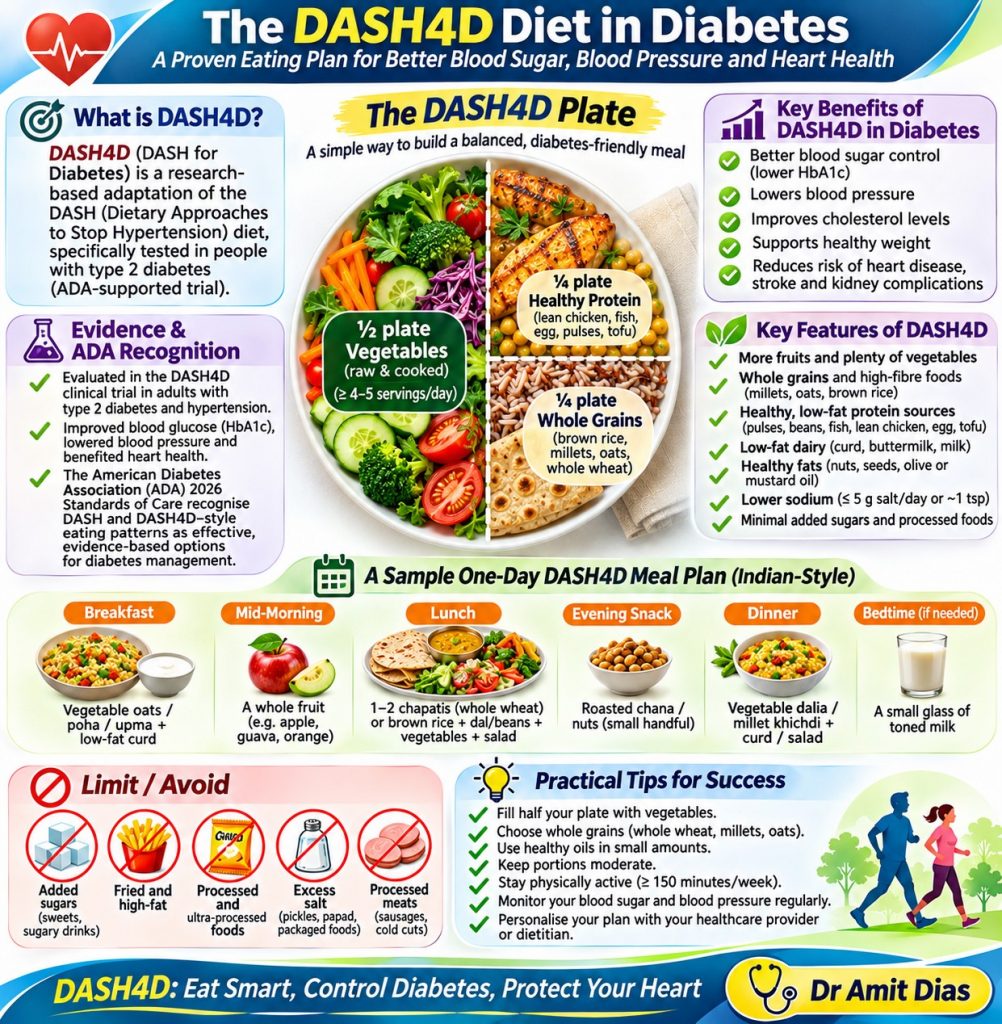
The DASH approach: Eating wisely for better health
FOOD is an important part of diabetes management, but there is no single diet that suits everyone. The DASH eating pattern offers a useful framework, particularly for people with diabetes and hypertension.
An Indian adaptation can include:
• Breakfast: Vegetable poha, oats, vegetable upma or whole-grain alternatives, accompanied by curd.
• Lunch: A balanced plate with half vegetables and salad, one-quarter whole grains such as chapati or brown rice, and one-quarter protein such as dal, beans, fish or lean chicken.
• Snacks: A small portion of nuts, roasted chana or a whole fruit.
• Dinner: Vegetable-rich meals with adequate protein and controlled portions of whole grains.
Limit salt, pickles, papad, processed meats, fried snacks, sweets and sugary drinks. Choose whole fruits instead of fruit juices.
The key is not to starve oneself or eliminate all carbohydrates, but to eat wisely, control portions and maintain consistency.
Early detection: A simple test can change a life
Diabetes can be diagnosed using established laboratory criteria. These include:
• Fasting plasma glucose of 126 mg/dL or higher.
• HbA1c of 6.5% or higher.
• Two-hour plasma glucose of 200 mg/dL or higher following a 75-g oral glucose tolerance test.
• Random plasma glucose of 200 mg/dL or higher in a person with classic symptoms of hyperglycaemia.
In the absence of unequivocal hyperglycaemia, an abnormal result should be confirmed with repeat testing. Prediabetes can be identified by fasting glucose of 100–125 mg/dL or HbA1c of 5.7–6.4%, using ADA criteria. People at increased risk should discuss appropriate screening intervals with their healthcare providers.
From awareness to action
THE fight against diabetes cannot be left to individuals alone. Healthcare professionals, schools, workplaces, families and policymakers all have a role to play.
Primary healthcare facilities must strengthen opportunistic screening, risk assessment, counselling and continuity of care. Community-based interventions should promote physical activity, healthier food environments and access to affordable diagnostic services. Screening must be followed by treatment and regular monitoring; detecting diabetes without ensuring access to care is an incomplete intervention.
Goa’s findings from the ICMR–INDIAB study make this particularly urgent. We need to move beyond treating diabetes after complications develop and invest in identifying risk much earlier.
This World Diabetes Day, let us remember that the most effective prescription may sometimes begin before the first tablet is taken: a healthy meal, a brisk walk, a timely blood test and a decision to take charge of one’s health.
Diabetes may be silent, but our response must be loud. Diagnose early, act early and prevent complications. Because when it comes to diabetes, every step taken today can protect a healthier tomorrow.
(Dr Amit Dias is an Assistant Professor in Community Medicine at Goa Medical College, with an interest in epidemiology and the prevention and control of non-communicable diseases. He was the Co- Principal Investigator for the ICMR – INDIAB study in Goa.)
 MISSING AUTORIKSHAS AND ‘PANI-PURI’ OF MUMBAI!
 DIALOGUES AT THE ICG…
 A CENTURY IN MEDIA AND STILL BATTING!
 WEEKEND UPDATES
 LETTER TO THE EDITOR FOR ISSUE DATED OCTOBER 31, 2026
 COMMERCE MINISTER PIYUSH GOYAL, CA TO DB BUILDERS, AWARDED CONVENTION DEAL?
 DONA PAULA CONVENTION CENTRE!By Our Special Correspondent
 THE SWAN TELECOM–2G SPECTRUM CASE!By Our Special Correspondent
 ALDEIA DE GOA: THE LAND, PLANNING PERMISSIONS AND THE 2022 HIGH COURT JUDGEMENT!By Our Special Correspondent
 RE-DEVELOPMENT DREAMS OR RE-DEVELOPMENT NIGHTMARES?By Arvind Pinto, Our Legal Consultant
 FROM UNIVERSAL ADULT FRANCHISE TO SIR: HAS INDIA’S VOTER REGISTRATION BECOME A POLITICAL WEAPON?
 FOUND! `MILLET UPMA’ AND `NACHNE IDLI’…
 DEMAND PROOF OR “REFUSE TO SIGN”!WEEKEND UPDATES
 LETTER TO THE EDITOR FOR THE ISSUE DATED OCTOBER 24, 2026
Goa is abuzz with excitement as vintage bike and car owners, users, collectors and fans are decking […]