Goa is abuzz with excitement as vintage bike and car owners, users, collectors and fans are decking […]
Old is Gold
October 4, 2016
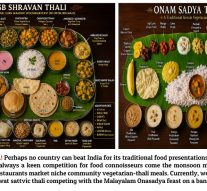
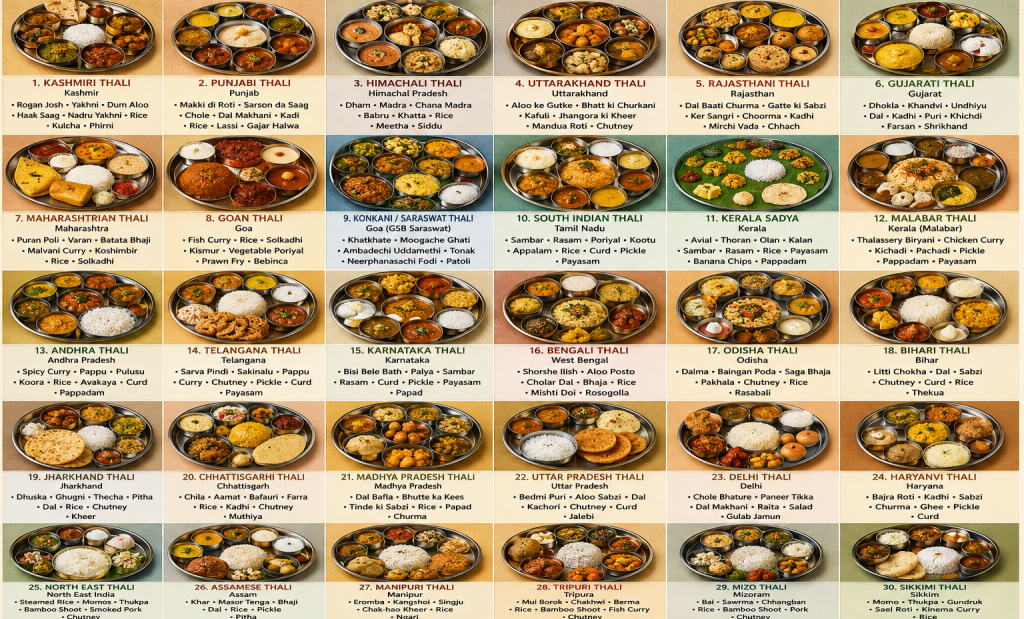
IN no other country is there such a regional foodie competition and we see it every time a festival comes along – be it a Gujarati or Punjabi or Bengali or Kerala or Odisha…or Goan festival. The festivals competing with one another’s culinary excellence currently in the month of August are the Shravan month sumptuous veg thali meals at a dozen odd upmarket popular restaurants, and then there is the grandstanding Onam festival’s “onadadaya” traditional feast served always on a banana leaf through August17 to 26…the community associated with a temple may feast daily but others are invited or they turn up on a paid basis to enjoy the daily traditional food or the grander feast served on Thiruvonam which is one of the five key days of Onam or so I understand.
The 7 days Onam festival (when beloved King Mahabali returns to be with his people in Kerala or so goes the story) has 5 key days – and on Thiruvonam the onasadya feast may feature as many as 24 to 28 dishes in small and bigger portions. It’s a gala celebration of food after presumably a successful harvest once upon a time…still celebrated to this day regardless of whether the people have got a harvest or not or how happily successful it is! Anyway, a Mallu friend briefing me says the five key days of Onam are “Atham (Aug17), Uthradam (Aug25, Tuesday), Thiruvonam (Aug26, Wednesday), Avittami (Aug27, Thursday) and final day Chathayam (Aug28, Friday). However, most Malayali folk treat Thiruvonam as the main day of the Onam festival of Kerala.
Well, I’ve been partial to the idea of eating out of leafy platers! Be it the austerely glossy green banana leaves or the dry round platters of jackfruit or teak leaves, or even the large leaves of lotus flowers…there is something magical about eating out of the very eco-friendly leaf ware, food tastes better and especially if you know how to eat with your fingers after washing hands of course. This is the only way to eat although some will do half-and-half using both hands or ask for a spoon and also fingers; of course, in the temperate countries of the West the cold forbids eating with cold unwashed hands – sanitized cutlery is preferred but not necessary satisfying!
Also, much of Indian food requires you mash up food combos before popping a dollop into the mouth for chewing with relish and hopefully digesting it till the last morsel is absorbed into wellbeing. We know there are no courses in our sit-down festival meals – festival servers come around to serve everything on leaf or platter and do regular rounds for more if need be, beginning with sizeable portions first…a sit-down onasadya feast meal can be quite an adventure for the palate (like any other traditional festive meal around the country including the ISKCON food for life meals which are first served to the family temple deities ceremoniously before the public service commences. In most Hindu homes daily or on auspicious days the temple shrine gods and goddesses are first served and so the food is considered blessed and mixed in with the main public food containers … by way of passing on the divine blessings to devotees. I’ve never come across a temple prasadam feast unpalatable, it’s always more palatable and fulfilling in mind and body, heart and soul! These temple feast feeding is a free service but some places do accept voluntary donations and in any case most devotees contribute in the donations boxes everywhere (sometimes too rudely). Temple prasadam adventures have become another story altogether.
BUT cut to the Shravan veg thali meal deals on currently in Goa. I find this is the time when one really gets to relish the Saraswat style of cooking which makes creative use of the monsoon season’s vegetables and especially greens…not all Shravan thali places focus on the niche cuisine of the Saraswat community kitchen but if they do many fail miserably! Some of the recipes are of course just quintessentially common to the Konkan coast states, like say the turmeric-leaf steamed sweet “pattoleo” — which is made traditionally both in Hindu and Christian homes in Goa, because it is also August 15, namely India’s Independence Day. Usually, I go and buy a few dozen “pattoleo” to savor at home as well as distribute to whoever comes home.
Once upon a time when my friend Anjali Walawalkar introduced the first Shravan Saraswat veg thali meals at the one time restaurant of Royal Salute at the Delmon Hotel (now Grand Delmon) …. I would happily take our entire Goan Observer staff to feast on a Shravan thali! Alas, now we have only small part time staff and even the hubby is reluctant to come along.
But there’re many recipes I’ve taken a shine to from the traditional Saraswat kitchen. I rather love the idea of rounding off the meal with a tantalizing flavors of “sol kodi” – which may come in various avatar. The base is always of two ingredients, that is fresh rich coconut milk in which the kokum peels or “sola” are immersed to give the post-meal digestive drink a delicate pink color…the somewhat pleasantly salty sol kodi is flavored with humble green chili-curry leaf, or ajwain (thymol seeds) and recently at Sapna Sardessai’s Kokum Curry (which specializes in Saraswat recipes old and new), I tasted “maulingeschi sola kodi”— the “mauling” referring to a large citrus lemon rare to find, but lemon connoisseurs rave about its medicinal qualities (Ayurveda too). Infuse a little of the mauling lemon’s zest into the basic sol koddi and one arrives at a piquant high…faint notes of citrusy bitters in the sol kodi. Nice, very nice and this sol kodi if one may remember is the traditional post-meal digestive of the very best kind all the way down the Konkan coast states, including south Maharashtra. I mean, everyone wants to digest the rich wholesome feast of a Shravan meal, before toddling off home for a restful late afternoon Sunday siesta!
The sol kodi repertoire of Konkan cuisine is something to take a shine to. Never mind that there is also “kokum tival” which is the rich red sweetened sour drink of the kokum fruit (kokum trees so abundant in Goa and the Konkan states)—the red maroon fruit are harvested, seeded, salted and stored for all year around use in the recipes of a Goan kitchen. Kokum is “fat-buster”of meals.
In fact, in most Goan stores you will find both the salty concentrate of kokum “agal” as also the sweetened kokum concentrate to turn into a sherbat beverage in a jiffy at home. Kokum “tival” is water based, delightful if not cloyingly sweet. When the fresh fruit kokum is in season I just like to slice one or two and pop them in a jar of water and watch the water turn a lovely pink as the day proceeds…refreshingly thirst-quenching with a faint aroma of roses. Kokum tival may also come very refreshingly thirst-quenching, mildly salty and aromatic with chopped green coriander and sliced green chilly swirling in it, remove the chilly if you wish and sip a bouquet of flavor…cheers to the fruit of the kokum!
ALL this and much more to a Shravan Saraswat veg thali which is my favorite in Goa for I’m more vegetarian and vegan than carnivorous! Ditto of course for Kerala’s onasadya feast and the vegetarian fare of Bengal, Odisha, Tamil Nadu, never to forget Kashmir’s feast called “wazwan”….you will be surprised there are some piece de resistance vegetarian recipes in Kashmiri cuisine too (which is predominantly meatarian). Truly, this is a blessed country, when it comes to food to live for. Let us hang on to our diversity in unity in all the ways we can, including our many-splendored traditional cuisines!
 LETTER TO THE EDITOR FOR ISSUE DATED OCTOBER 03, 2026
 GEN-Z BLOCKED FROM VOTING BY GYANESHWAR MODI!
 THE FORAL OF 1526 Five Hundred Years Later, What Does Goa’s Oldest Village Charter Really Mean?
 20 YEARS IN ‘HERALD’, 43 IN GOA!
 THE DEGRADATION OF JNU – MY ALMA MATER! By Arvind Pinto
 THE WOMEN WHO LOOK BACK! By Prema Viswanathan
 GOA IS CELEBRITY STATE!
 HI MUMBAI MERI JAAN BUT…
 WEEKEND UPDATES
 LETTER TO THE EDITOR FOR ISSUE DATED SEPTEMBER 26, 2026
 DIVIDED EVEN IN DEATH!By Rajan Narayan
 IF YOU CLAIM THE CREDIT, TAKE THE RESPONSIBILITY!By Joquim Goes
 8 EMAILS IN 7 DAYS, BUT VALID GOA VOTERS STILL LEFT OUT: EC’S FLAWED SYSTEM!By Ritika Chopra
 MAKE IN INDIA: UNITED PAYMENTS INTERFACE India’s digital local leap to global benchmark…By Arvind Pinto
 BRING BACK THE FLATBREADS OF INDIA!
Goa is abuzz with excitement as vintage bike and car owners, users, collectors and fans are decking […]