Goa is abuzz with excitement as vintage bike and car owners, users, collectors and fans are decking […]
Old is Gold
October 4, 2016
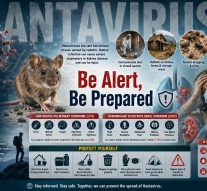
THIS month, the “hantavirus” outbreak aboard the MV Hondius in the Atlantic, rekindled memories experienced during the COVID-19 pandemic. In this invited article we separate facts from fear, and outline what India needs to know if such outbreaks reach our shores. Do not take the Andes strain lightly, warns Dr Amit Dias.
In May 2026, the world’s attention briefly turned toward a little-known but potentially deadly infection, after reports emerged of a hantavirus outbreak aboard the MV Hondius cruise ship in the Atlantic ocean. The outbreak, believed to involve the Andes strain of hantavirus, resulted in three deaths and triggered alerts in 15 countries as passengers returned to their home nations. While health authorities, including the World Health Organization and the Center for Disease Control and Prevention, have emphasized that this is not a pandemic-level event, it has once again highlighted the importance of awareness about zoonotic diseases — infections transmitted from animals to humans and the need to strengthen the One Health Approach.
“Be alert, not alarmed — preparedness and awareness remain our strongest defence.”
Hantavirus infections remain rare, but they can be severe and sometimes fatal. In an interconnected world shaped by rapid travel, urbanization, ecological disruption, and changing human-animal interactions, the emergence of outbreaks in one region can quickly become a matter of global concern. COVID, Nipha virus, Eboala, Swine flu have all emerged in this manner. For India, where rodent populations thrive in both urban and rural settings and all our houses, awareness and preparedness are essential.
What is hantavirus?
Hantaviruses are a group of viruses carried primarily by rodents. Humans usually become infected after exposure to the urine, droppings, or saliva of infected rodents. The virus may become airborne when contaminated dust is disturbed and inhaled. Rarely, infection can also occur through rodent bites or scratches.
Different hantaviruses cause different forms of illness across the world. In the Americas, hantaviruses are mainly associated with Hantavirus Pulmonary Syndrome (HPS), a severe respiratory disease. In Europe and Asia, they are more commonly linked to haemorraging fever with Renal Syndrome (HFRS), which primarily affects the kidneys.
The Andes virus, currently linked to the cruise ship outbreak, should not be taken lightly. It is one of the few hantaviruses for which limited person-to-person transmission has been documented and therefore makes it more efficient for human transmission. Andes strain has shown the ability to spread between close human contacts, particularly among family members, sexual partners, and healthcare workers exposed during the early phase of illness. It calls for close surveillance.
A look at past outbreaks
Hantavirus first gained major international attention in 1993 following an outbreak in the Four Corners region of the United States, where Arizona, New Mexico, Colorado, and Utah meet. Previously healthy young adults developed sudden respiratory failure, and investigations eventually traced the illness to deer mice carrying the Sin Nombre virus.
Since then, sporadic outbreaks have been reported across North and South America, Europe, and Asia. Argentina and Chile have documented outbreaks associated with the Andes virus, including evidence of human-to-human transmission in close-contact settings.
According to recent public health data, the Americas reported over 229 hantavirus cases and 59 deaths in 2025, reflecting a mortality rate of approximately 25%. Some outbreaks have been linked to camping sites, military barracks, agricultural settings, and poorly ventilated enclosed spaces contaminated by rodent excreta.
Hantavirus and India: Should we be concerned?
India has not experienced a major hantavirus outbreak comparable to those seen in the Americas. However, studies have detected antibodies to hantaviruses in certain populations, suggesting previous exposure. The Seoul virus strain, associated with rats, has global distribution and can occur wherever rodents and humans coexist.
India’s dense population, rapid urban expansion, inadequate waste disposal in some areas, flooding during monsoons, and close human-rodent interaction create conditions that could support transmission if the virus were introduced or underdiagnosed.
Public health experts stress that the current outbreak does not suggest an imminent threat to India. However, preparedness is critical. The lessons learned from outbreaks such as COVID-19 pandemic remind us that early awareness and preventive action are far more effective than reactive measures.
How does hantavirus spread?
The most common mode of transmission is through inhalation of virus-containing particles from rodent urine, saliva, or droppings. Activities such as sweeping closed rooms, cleaning storage spaces, entering abandoned buildings, handling grain stores, or camping in rodent-infested areas can increase risk.
What are the common situations associated with transmission?
— Cleaning poorly ventilated rooms or sheds
— Exposure in farms or granaries
— Sleeping on the ground in rodent-infested environments
—Handling contaminated food or waste
— Occupational exposure among sanitation workers, farmers, and forest personnel
The current outbreak involving the Andes strain has raised concerns about possible person-to-person transmission in confined environments such as cruise ships. However, experts emphasize that this remains uncommon and limited.
Importantly, hantavirus is not known to spread casually through the air like influenza or COVID-19.
Signs and Symptoms:
Symptoms usually appear between one and eight weeks after exposure.
Early Symptoms of Hantavirus Pulmonary Syndrome (HPS)
Fever
Fatigue
Severe muscle aches
Headache
Chills
Nausea or vomiting
Abdominal pain
After a few days, patients may develop:
Cough
Shortness of breath
Chest tightness
Rapid breathing
As fluid accumulates in the lungs, breathing becomes difficult, and intensive care support may be required. According to the CDC, nearly 38% of patients who develop severe respiratory symptoms may die from the illness.
Hemorrhagic Fever with Renal Syndrome (HFRS)
This form affects the kidneys and may present with:
— Fever and chills
— Severe headache
— Back pain
— Blurred vision
— Low blood pressure
— Bleeding tendencies
— Kidney failure in severe cases
— Recovery may take weeks to months.
Diagnosis & Treatment
Diagnosing hantavirus early can be difficult because the symptoms resemble influenza, dengue, leptospirosis, COVID-19, or other viral illnesses common in India.
Doctors should suspect hantavirus in patients with unexplained fever and respiratory distress, especially when there is a history of rodent exposure or travel to affected regions.
Laboratory confirmation is done using specialized antibody and molecular tests available in reference laboratories.
There is currently no specific antiviral cure for hantavirus infection. Treatment is mainly supportive as we did during COVID pandemic and may include:
— Oxygen therapy
— Intensive care monitoring
— Ventilator support
— Fluid management
— Dialysis in kidney involvement
— Early hospitalization significantly improves survival.
What should India do if cases appear?
Preparedness begins with awareness. India’s healthcare system should strengthen surveillance for unusual respiratory illnesses linked to rodent exposure. Hospitals and clinicians should remain alert, particularly in travellers returning from outbreak regions.
Public health authorities should focus on:
–Rodent control programs
–Public education campaigns
–Safe food storage
–Improved sanitation
–Surveillance in ports and airports
–Rapid diagnostic preparedness
Healthcare workers should use standard infection prevention practices and isolate suspected cases when appropriate until diagnosis is confirmed.
How can Individuals protect themselves?
Simple preventive measures can significantly reduce risk.
— Reduce Exposure to Rodents
— Seal holes and gaps in homes
—Store food in rodent-proof containers
—Dispose garbage properly
—Avoid accumulation of junk or woodpiles near homes
—Use traps where needed
—Safe cleaning practices
—Avoid sweeping dry rodent droppings, which may aerosolize the virus.
Instead:
—Ventilate closed spaces before cleaning
—Wear gloves and masks
—Spray disinfectant before wiping contaminated surfaces
—Wash hands thoroughly afterward
—During travel or camping
—Avoid sleeping directly on bare ground
—Keep tents away from rodent burrows
—Store food securely
—Avoid touching live or dead rodents
Here are answers to frequently asked questions about the virus:
Is hantavirus a pandemic threat?
At present, NO. Experts consider the current outbreak limited and contained. The risk to the general public remains very low.
Is there a vaccine?
Currently, there is no vaccine for hantavirus infection. Prevention is therefore our best bet.
Should travellers avoid cruises or travel?
There is no recommendation to avoid general travel. Travelers should follow official health advisories and maintain good hygiene practices.
Is hantavirus found in India?
No major outbreak has been documented in India.
Conclusion
THE recent hantavirus outbreak aboard the MV Hondius is a reminder that emerging infections continue to challenge global health systems. Although the risk of widespread transmission remains low, awareness is essential. Hantaviruses teach us an important lesson: human health is deeply connected to our environment, sanitation practices, and interaction with wildlife reminding us of the one health approach to handle these threats.
India must remain vigilant, strengthen surveillance systems, educate communities, and invest in preventive public health measures. Preparedness, not panic, is the need of the hour.
 LETTER TO THE EDITOR FOR ISSUE DATED SEPTEMBER 26, 2026
 DIVIDED EVEN IN DEATH!By Rajan Narayan
 IF YOU CLAIM THE CREDIT, TAKE THE RESPONSIBILITY!By Joquim Goes
 8 EMAILS IN 7 DAYS, BUT VALID GOA VOTERS STILL LEFT OUT: EC’S FLAWED SYSTEM!By Ritika Chopra
 MAKE IN INDIA: UNITED PAYMENTS INTERFACE India’s digital local leap to global benchmark…By Arvind Pinto
 BRING BACK THE FLATBREADS OF INDIA!
 EARLIER YOU KNOW, THE MORE YOU CAN DO Dementia diagnosis matters… By Dr Vailanki Nazira Raposo
 YOUNG LOVE IS A CRIME IN BIHAR!
 THE BOAT BECKONS, THE UNICORN WATCHES! By Prema Viswanathan
 WEEKEND UPDATES
 LETTER TO THE EDITOR FOR ISSUE DATED SEPTEMBER 19, 2026
 ELEVATED HIGHWAY TO HELL!
 MEDICAL DEVICES LOOT!By GS Mudur
 HOSTILE ACT BY PAKISTAN: `PNS HUNAIN’ TRIED TO DISRUPT OUR NAVAL SURVEILLANCE! By Dr Olav Albuquerque & Deborah Albuquerque
 BLACK MONEY IN POLITIAL PARTIES: ADR’s Alarming Revelations By Arvind Pinto
Goa is abuzz with excitement as vintage bike and car owners, users, collectors and fans are decking […]