Goa is abuzz with excitement as vintage bike and car owners, users, collectors and fans are decking […]
Old is Gold
October 4, 2016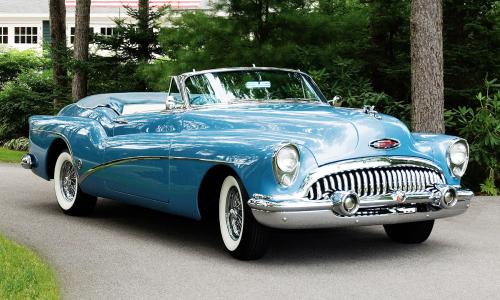

ANY ANGER FOR GOA?
I THINK every Gram Panchayat must prepare its poverty eradication report in India since Independence. This should be a genuine report on existing poverty. Although some report that India is closer to ending extreme poverty more than at any point since its independence in 1947.
Recent estimates from organizations like the World Bank and domestic statistical offices indicate that extreme poverty (living on under $2.15 a day) has dropped dramatically to around 2% to 5%, down from over 20% a decade prior and more than 60% in the decades after independence.
The historic 1991 market reforms shifted India away from a centralized economy and unlocked massive entrepreneurial and productivity growth. India experiences, the direct benefit transfers, subsidized food programs reaching roughly two-thirds of the population, and expanded access to rural housing, sanitation, and clean cooking fuel have accelerated basic living standards.
Widespread banking access via initiatives like Jan Dhan Yojana has reduced leakages in state support and integrated millions into the formal economy. However, there are challenges to be faced. Multidimensional deprivation is still existing. While absolute income poverty is near elimination, millions still lack robust health, higher education quality, or resilient livelihoods.
A large segment of the population hovers just above the extreme poverty line, meaning minor economic shocks, inflation spikes, or climate disruptions can push households back down. Disparities remain across different states and marginalized social groups, such as Scheduled Tribes (STs), even though gaps have narrowed overall. In this matter, amendment of equality is required with economic strength.
— Rajesh Banaulikar, Arpora, Goa.
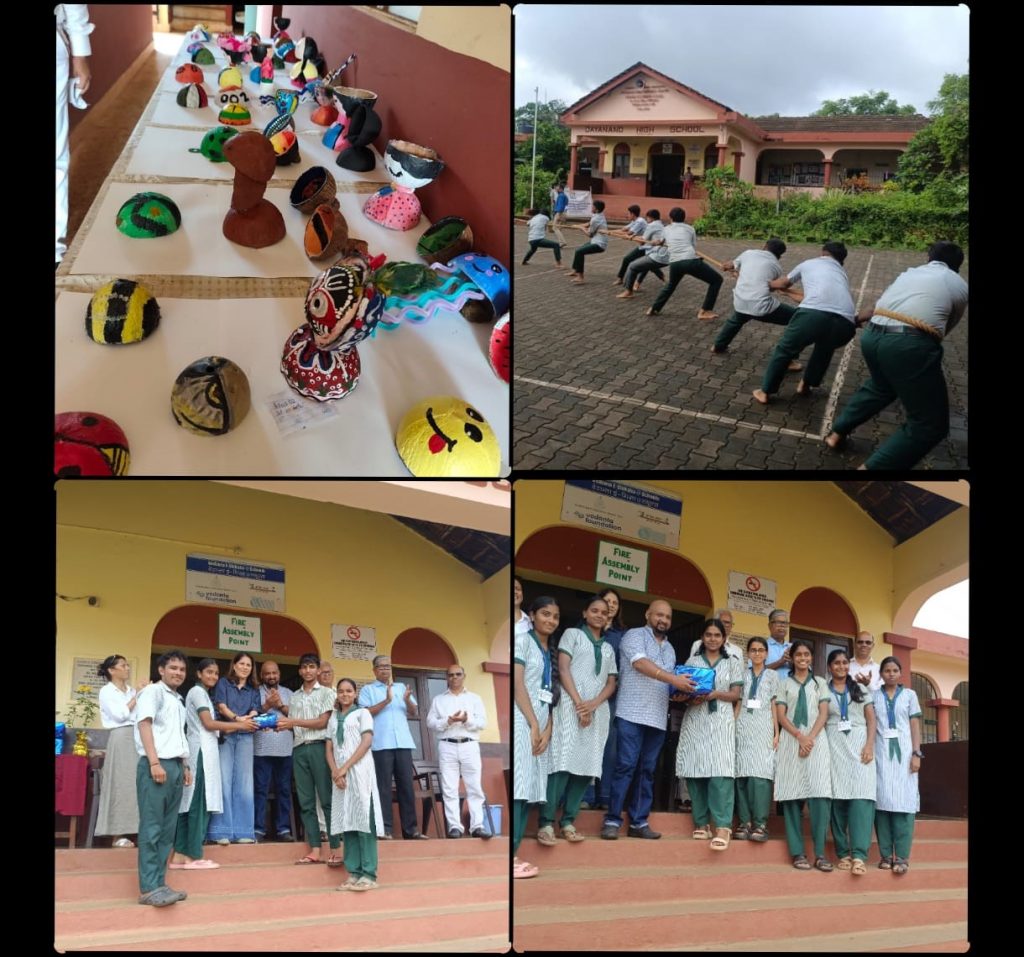
 LETTER TO THE EDITOR FOR ISSUE DATED OCTOBER 03, 2026
 GEN-Z BLOCKED FROM VOTING BY GYANESHWAR MODI!
 THE FORAL OF 1526 Five Hundred Years Later, What Does Goa’s Oldest Village Charter Really Mean?
 20 YEARS IN ‘HERALD’, 43 IN GOA!
 THE DEGRADATION OF JNU – MY ALMA MATER! By Arvind Pinto
 THE WOMEN WHO LOOK BACK! By Prema Viswanathan
 GOA IS CELEBRITY STATE!
 HI MUMBAI MERI JAAN BUT…
 WEEKEND UPDATES
 LETTER TO THE EDITOR FOR ISSUE DATED SEPTEMBER 26, 2026
 DIVIDED EVEN IN DEATH!By Rajan Narayan
 IF YOU CLAIM THE CREDIT, TAKE THE RESPONSIBILITY!By Joquim Goes
 8 EMAILS IN 7 DAYS, BUT VALID GOA VOTERS STILL LEFT OUT: EC’S FLAWED SYSTEM!By Ritika Chopra
 MAKE IN INDIA: UNITED PAYMENTS INTERFACE India’s digital local leap to global benchmark…By Arvind Pinto
 BRING BACK THE FLATBREADS OF INDIA!
Goa is abuzz with excitement as vintage bike and car owners, users, collectors and fans are decking […]