Goa is abuzz with excitement as vintage bike and car owners, users, collectors and fans are decking […]
Old is Gold
October 4, 2016

GBA SECRETARY FLAT ROBBED
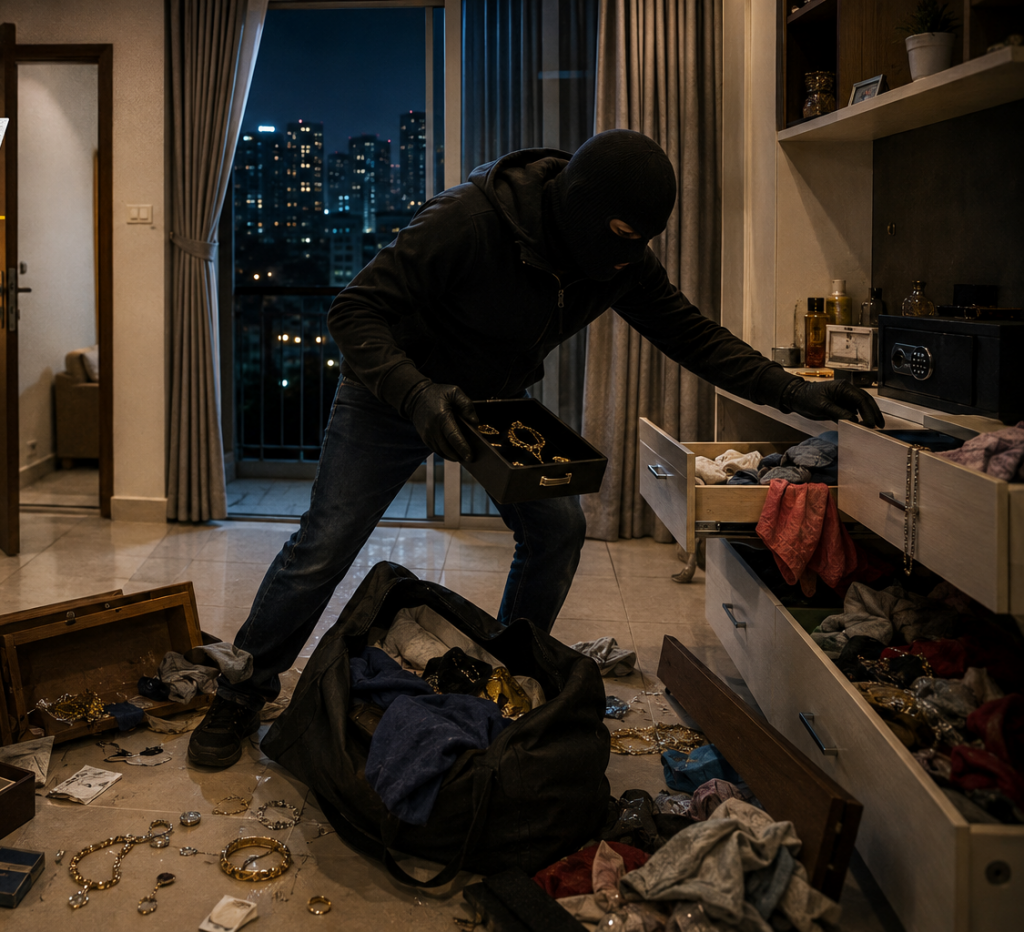
THE flat of activist Sabina Martins and her husband trade unionist Subhash Nair Jorge, was allegedly burgled while the family was away in Coorg, Karnataka, for a holiday. According to the complainant, the Martins returned home to find the backdoor of the flat in St Inez broken open and several cupboards ransacked. Missing items included four gold bangles, gold earrings, a silver sindoor box, as well as some copper and brass vessels.
The robbery took place end-May when the couple were away on holiday. They discovered the robbery only after they returned earlier this week. An FIR has been registered against unknown persons. If you’re planning to go away for a holiday safeguard your residence however you can and of course do not tell everyone that you’ll be away.
HALDIRAM PRODUCTS DESTROYED
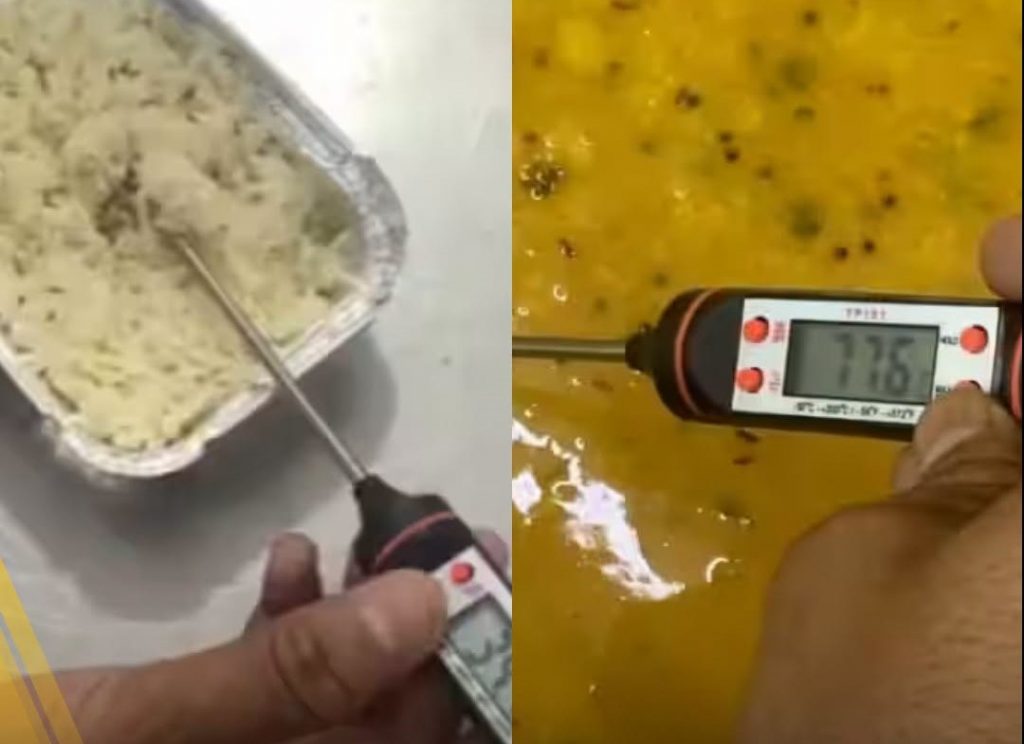
A SURPRISE inspection of the base kitchen serving the Swarna Jayanti Rajdhani has uncovered a large quantity of expired packaged food items that were allegedly meant to be used for passengers, prompting the Ahmedabad Railway Division to impose a penalty of Rs10 lakh on the food service provider.
The inspection team recovered 369 packets of Haldiram Poha, 984 packets of Haldiram Upma, 24 packets of Haldiram Chhole Masala and six packets of Fortune Sooji. All the products were found to have crossed their expiry dates.
BOURNVITA, ENERGY DRINKS CHANGE LABEL

SEVERAL food companies, including Mondelez which manufactures Bournvita and Amway, which markets health drinks, have been warned for misleading claims. Bournvita has withdrawn its claim to offer high levels of nutrition. Similarly, Amway has decided that it will not label its drinks as energy drinks. The company has also withdrawn the 100% pure coconut oil claim.
DISSENTING DIAGNOSIS
A NEW book written by Dr Arun Gadhre and Abhay Shukla has extensively documented exploitative practices in hospitals. They have alleged that there is a huge nexus between corporate hospitals, pharma companies and doctors called the target system and cuts. The implication is that doctors and hospitals get kickbacks on all the pathological tests conducted. Many samples collected from patients are just thrown into the wash basin. Corporate hospitals fix targets for doctors for conversion of minor cases into serious cases. The doctors see an example of senior doctors performing the operation for removal of the kidney stone when there was no need for the procedure. They also flag pretence of surgery where a patient is given anaesthesia and some stitches on the skin to give the impression that an operation has been carried out. The commission rate for X-rays is 25% and 33% for MRIs and CT scans.
MERCES GOES UPMARKET
WE recall visiting Merces very often in the late 80s when our then publisher AC Fernandes used to live there. Merces is also where the house of the late Victoria Fernandes is and where she lived with her son Rudolf Fernandes who at one time ran a protectors gang. Merces has changed beyond recognition. All the district courts spread over various parts of Panaji are now located in a group of ugly high rise concrete buildings in Merces. Merces now even has a fancy event boutique place-cum-restaurant with a wine menu offering “Champion” at Rs17,000 a bottle. The Sadhana Dell Arte describes itself as an art and cultural space and is located in a 120-year-old Indo-Portuguese mansion managed by Chirag Lobo, and artist who studied in the Guild Hall School of Music and Drama in London. Reportedly, Miriam Koshy, the wife of Jack Sukhija, has been holding her “Rivers of Goa” and other events at the old world Goan house set amidst garden grounds.
FANTA INDIA IS MORE SUGARY
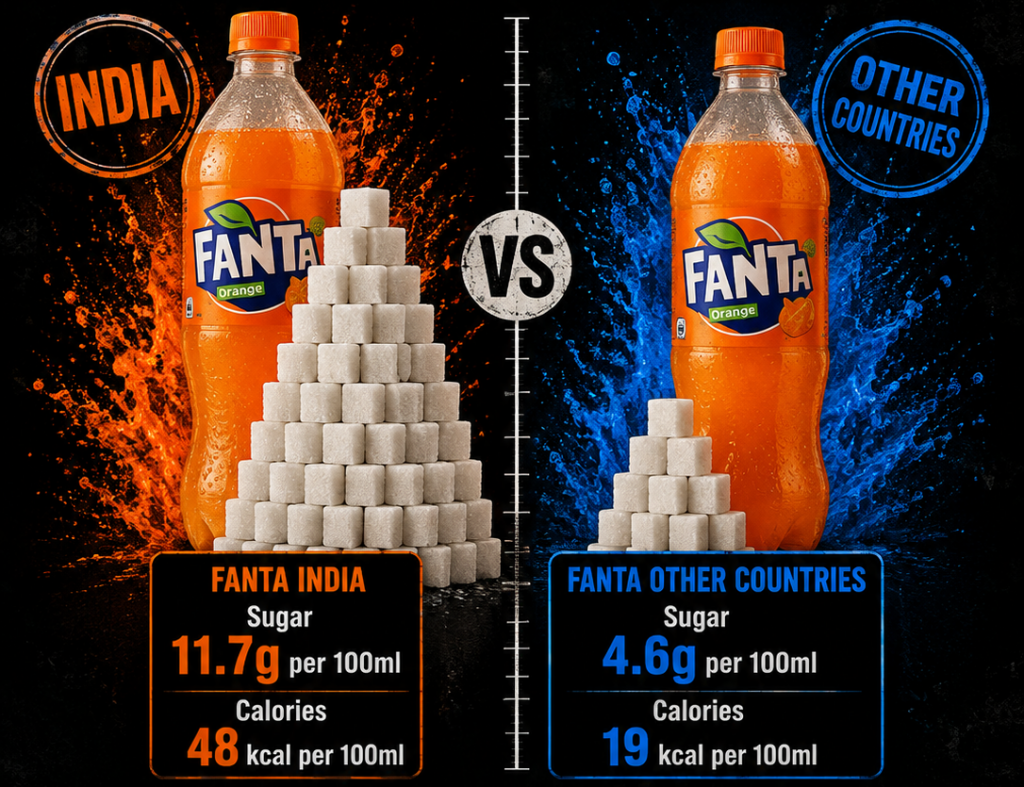
IT has been revealed that a can of Fanta, an orange beverage, bought in London, contains 63 calories. The same drink bought in India and Goa contains three times as much sugar. The Indian version also uses an artificial colour that would require a prominent health warning in parts of Europe. Apparently, this is true of all bottled and canned soft drinks or aerated beverage of the multinationals in the country and also the so called energy drink like “Sting.”
RESTRICTRICTION OF COLD MEDICINES IN YOUNG CHILDREN
THE Health Ministry has imposed restrictions on the use of a widely prescribed common cold medication combination —Chlorpheniramine Maleate and Phenylephrine Hydrochloride — for children below four years of age to enhance pediatric drug safety point. This decision aims to mitigate potential health risks associated with this fixed-dose combination (FDC) in young children.
On April 15, 2025, the Ministry issued a notification under Section 26A of the Drugs and Cosmetics Act, 1940, restricting the manufacture, sale, and distribution of all formulations containing the FDC of Chlorpheniramine Maleate and Phenylephrine Hydrochloride for children under four years. Manufacturers are now mandated to include a clear warning on the label, package insert, and promotional materials stating:
This directive follows recommendations from the Drugs Technical Advisory Board (DTAB) and a Subject Expert Committee (SEC), which highlighted the potential risks of using this combination in young children and noted the availability of safer alternatives.
This combination is commonly found in paediatric cold and flu medications, including popular brands like GSK’s T-Minic syrup, Glenmark’s Ascoril Flu Drops, and Alembic’s Wikoryl AF. The decision to restrict this FDC stems from concerns over its safety profile in children under four years. Potential adverse effects include increased heart rate, convulsions, and, in severe cases, life-threatening reactions. The Subject Expert Committee (SEC) and Drugs Technical Advisory Board (DTAB) concluded that the risks outweigh the benefits in this age group, especially when safer alternatives are available.
This move aligns with global health recommendations. For instance, the US Food & Drug Administration (FDA) advises against the use of over-the-counter cough and cold medications in children under two years due to serious and potentially life-threatening side effects.
The Health Ministry’s restriction on the use of Chlorpheniramine Maleate and Phenylephrine Hydrochloride in children under four underscores the importance of cautious medication use in paediatric practice. This proactive measure aims to safeguard children’s health by preventing potential adverse reactions associated with the drug combination.
BOOK RELEASE OF `64 DAYS OF 18 JUNE 1946’ BY SANDESH PRABHUDESAI
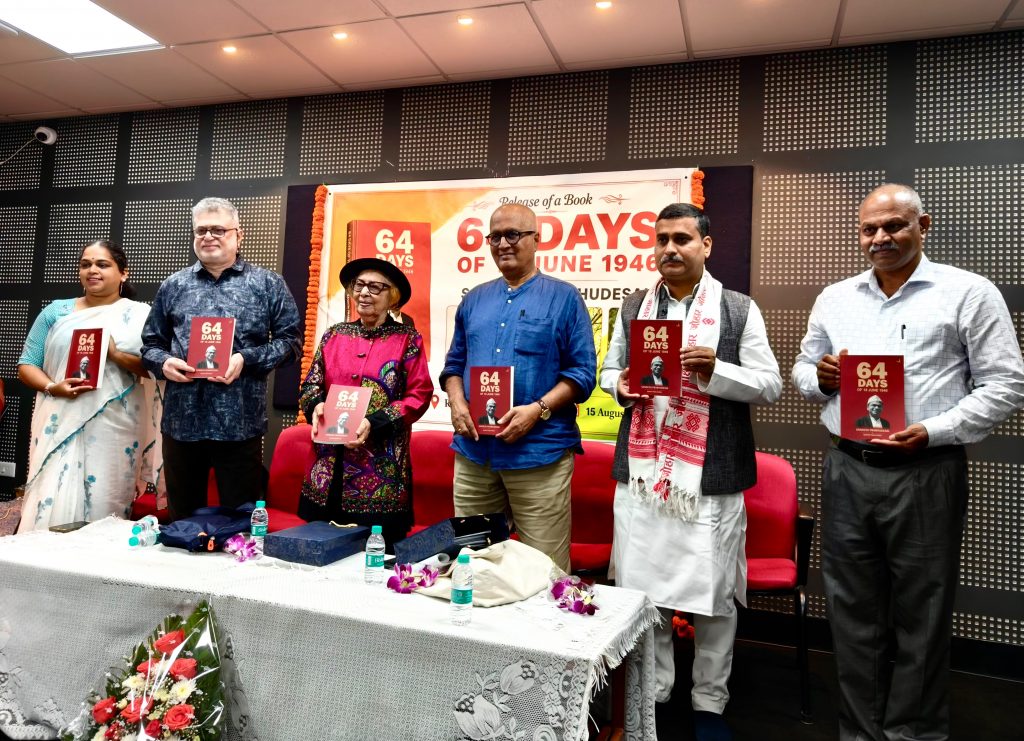
AUTHOR journo Sandesh Prabhudesai’s new book titled “64 Days of 18 June 1946’ was released style and substance on August15 at the Black Box of the Ravindra Bhavan in Madgao, Goa. Present at the release were Adv Libia Lobo Sardesai (veteran freedom fighter and lawyer) who was the chief guest, Prof Peter Ronald de Souza (political scientist) who was the main speaker, Abishek Ranjan Singh (chairman of Dr Rammanohar Lohia Research Foundation) who was the guest of honor and Anwesha Singbal (author and news director of The Voice for Goem) who compered the function.
The auditorium was packed with friends and well-wishers of the author. Sandesh Prabhudesai’s book documents perhaps for the first time in detail the spontaneous uprising which took place in Portuguese time Goa, soon after Dr Manohar Lohia spoke out against the Portugal regime’s ban on public meetings at Margao’s Lohia Maidan on 18 June 1946. In the mass civil disobedience which followed there were many young Goan freedom fighters aged 14 to 30, they soon mobilized mass support against the fascist colonial rule of Portugal’s dictator Salazar.
GCCI’S POSITIVE AGRICULTURE POLICIES
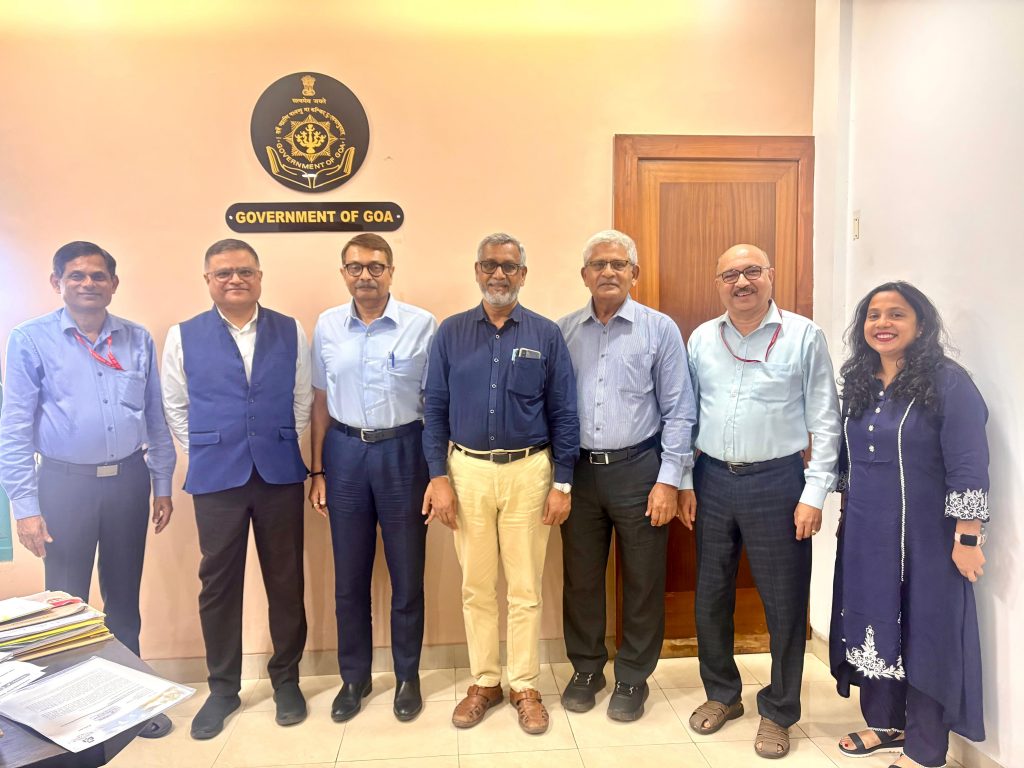
A DELEGATION of the Goa Chamber of Commerce & Industry (GCCI) led by Mahesh Patil (chairman, agriculture committee) and Dr Sangam Kurade (mentor, agriculture committee), met Nikhil Desai (IAS, secretary, agriculture, government of Goa), on August 24, 2026 in the presence of Chandrahaas Desai (director of agriculture), to submit GCCI’s recommendations on the Goa State Agiculture Policy.
The delegates were Joseph D’Souza, Sanjay Amonkar (director general-GCCI) and Ambika Shakhenkar (deputy director-GCCI). The meeting saw the presentation of a detailed set of recommendations aimed at strengthening Goa’s agricultural practices and creating stronger linkages between farmers, markets and industry.
Agriculture Secretary Nikhil Desai appreciated the GCCI recommendations and responded positively. Two important GCCI recommendations are: Input subsidy on the overall cost of agricultural equipment, including GST, which would reduce the financial burden on farmers and to make mechanization more accessible. The second recommendation is engagement of agriculture graduates as agri-preneurs, either through self-employment opportunities or by enabling them to provide professional agricultural services to farmers. This would create employment opportunities for qualified youth while bringing technical expertise closer to the farming community.
The GCCI delegates also conveyed their decision to celebrate Kulagar Day on December 13. This is the birth anniversary of the late Manohar Parrikar, former chief minister of Goa. This is to highlight Goa’s traditional kulagar agricultural systems and create greater awareness about their preservation and revival and recognize their contribution to Goa’s agricultural heritage and sustainable development.
 LETTER TO THE EDITOR FOR THE ISSUE DATED OCTOBER 10, 2026
 WHEN THE MACHINE OVERRIDES THE LAW!
 HAS GOA BECOME MORE PERMISSIVE? By Special Correspondent
 BILLIONAIRES MULTIPLYING AT THE COST OF THE MIDDLE CLASS!
 THE SHADOW OF VOTE THEFT: WHY CEC GYANESH KUMAR MUST RESIGN!By Dr Olav Albuquerque & Deborah Cordeiro
 ULTRA MODERN ‘MID-DAY’ OFFICE
 HI MUMBAI MERI JAAN BUT…
 TCS INVOLVED IN SIR MATCH FIXING!
 CEREBRAL PALSY: UNDERSTANDING ABILITY, ENABLING INCLUSION! By Dr Amit Dias
 WEEKED UPDATES
 LETTER TO THE EDITOR FOR ISSUE DATED OCTOBER 03, 2026
 GEN-Z BLOCKED FROM VOTING BY GYANESHWAR MODI!
 THE FORAL OF 1526 Five Hundred Years Later, What Does Goa’s Oldest Village Charter Really Mean?
 20 YEARS IN ‘HERALD’, 43 IN GOA!
 THE DEGRADATION OF JNU – MY ALMA MATER! By Arvind Pinto
Goa is abuzz with excitement as vintage bike and car owners, users, collectors and fans are decking […]