Goa is abuzz with excitement as vintage bike and car owners, users, collectors and fans are decking […]
Old is Gold
October 4, 2016

RESOLVE MHAJE GHAR ISSUE BEFORE CODE OF CONDUCT IN GOA!
Resolving your Mhaje Ghar application before the Model Code of Conduct (MCC) takes effect in Goa requires immediate action through the state’s expedited processing channels. Government departments freeze the issuance of new scheme benefits, regularisation orders, and Sanads once the election commission enforces the MCC.
Matters should beTrack and Push via Nodal Officers if possible.I don’t know who are mandated to assist applicants, check files, and clear bureaucratic blockages. Because when public go to enquiry about their Mhaje ghar applications, they are being told that they would receive phone calls, every time. Applicants want to know their status of their applications. Government must cooprate people in this regard.
Under the latest Standard Operating Procedures (SOP) for the Mhaje Ghar Yojana and the Goa Regularisation of Unauthorised Construction Act (GRUCA), the state has removed several procedural bottlenecks to fast-track clearance. How ever applicants want to know their status of their Mhaje ghar status. Government must expedite the procedure to wind up the matter. For 1972 houses, incase, form 9, and form3 bears Mundkar’s name, and lacking on 1/14 form, inspite of showing house in Survey plan, then application is being kept pending. This problem should be sorted out.
— Rajesh Banaulikar, Bardez, Goa.
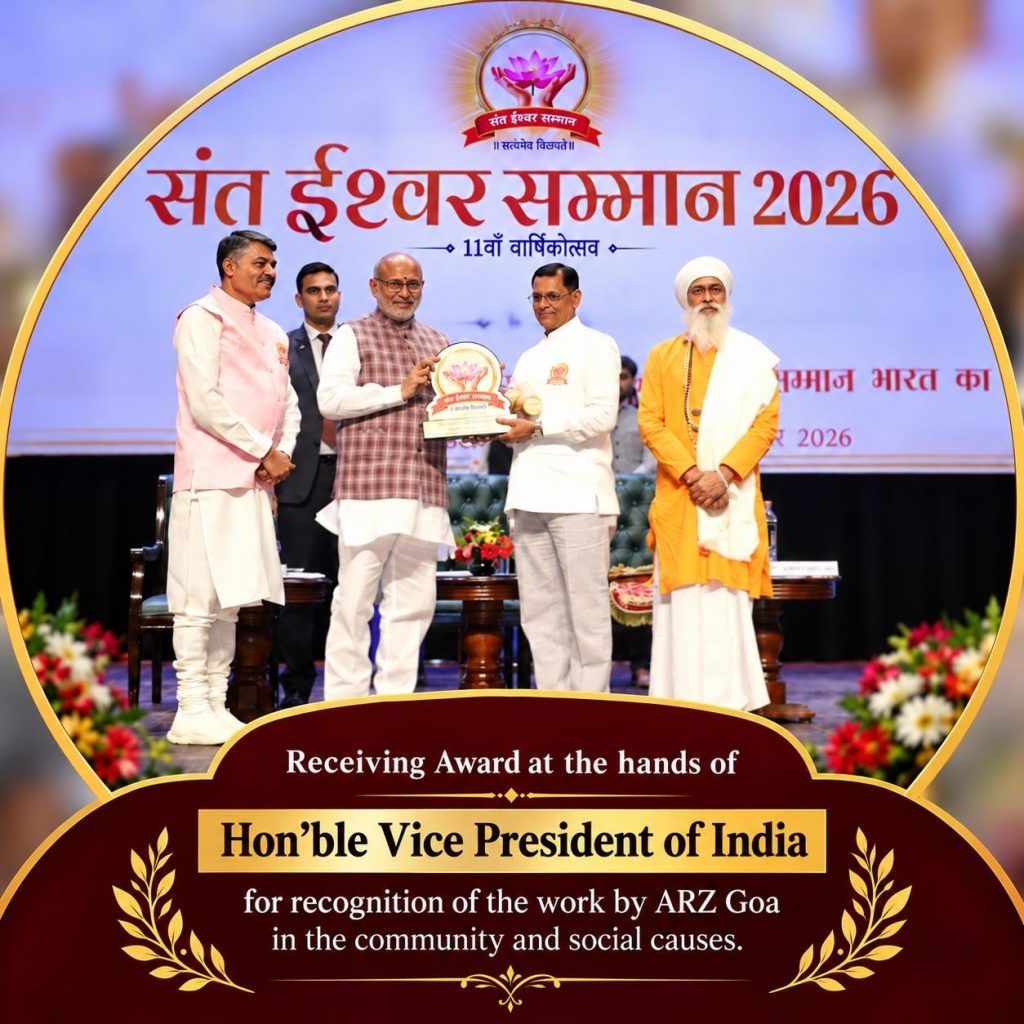
GOA IS WORTH IT
The ludicrous and utterly hypocritical assertions made by an MP in Goa yesterday are condemnable. Neither the ruling party nor the opposition has any moral authority to make allegations, as both national parties have Politically Exposed Persons owning casinos in our sacred Goem. India boasts of cutting-edge ISRO, while annexed footstool Goem gets the Laotian-Cambodian gambling model — hands down the cheapest, sleaziest and most destructive way to incorporate casinos in drug- and corruption-ridden Asia.
The Laotian riverfront gambling travesty scared away international tourists permanently; casinos linked directly to Politically Exposed Persons (PEPs) and top executives were central to the operations of the billion-dollar Prince Group Transnational Criminal Organisation (TCO) in Cambodia — a win-win for anyone in politics.
Singapore’s above-board gambling model isn’t just a pipe dream for Goem anymore and Gen Z — already swamped by global scorching, news of wars hand-delivered to their smartphones — has lifelines like the Enough is Enough movement and the upcoming Assembly election. Panjim’s intelligentsia has to put their foot down now and demand that international standards for gambling regulations are at the top of every prospective MLA’s manifesto; this takes precedence after India signed the 11-point Phnom Penh declaration in September. An SOS goes out to CRT’s executive secretary Fr. Malcolm Colaco – 2 Maccabees 6:1-5.
— Chris Fernandes, Miramar
 WHEN THE MACHINE OVERRIDES THE LAW!
 HAS GOA BECOME MORE PERMISSIVE? By Special Correspondent
 BILLIONAIRES MULTIPLYING AT THE COST OF THE MIDDLE CLASS!
 THE SHADOW OF VOTE THEFT: WHY CEC GYANESH KUMAR MUST RESIGN!By Dr Olav Albuquerque & Deborah Cordeiro
 ULTRA MODERN ‘MID-DAY’ OFFICE
 HI MUMBAI MERI JAAN BUT…
 TCS INVOLVED IN SIR MATCH FIXING!
 CEREBRAL PALSY: UNDERSTANDING ABILITY, ENABLING INCLUSION! By Dr Amit Dias
 WEEKED UPDATES
 LETTER TO THE EDITOR FOR ISSUE DATED OCTOBER 03, 2026
 GEN-Z BLOCKED FROM VOTING BY GYANESHWAR MODI!
 THE FORAL OF 1526 Five Hundred Years Later, What Does Goa’s Oldest Village Charter Really Mean?
 20 YEARS IN ‘HERALD’, 43 IN GOA!
 THE DEGRADATION OF JNU – MY ALMA MATER! By Arvind Pinto
 THE WOMEN WHO LOOK BACK! By Prema Viswanathan
Goa is abuzz with excitement as vintage bike and car owners, users, collectors and fans are decking […]