Goa is abuzz with excitement as vintage bike and car owners, users, collectors and fans are decking […]
Old is Gold
October 4, 2016
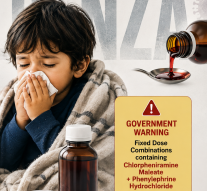
With influenza activity rising in Goa, Dr Dias explains why parents need to know when a cough needs treatment —and when a cough syrup may create more risk than relief.
GOA is seeing a rise in influenza activity. According to surveillance data cited by the Directorate of Health Services, influenza-positive cases increased from 6 in June to 44 in July and 73 by August 20, 2026. The DHS has advised vigilance, infection-control measures and medical consultation for severe, persistent or worsening symptoms, particularly in young children.
The increase understandably makes parents anxious. A child develops fever, cough, a running or blocked nose and perhaps body aches. The instinctive response is often to reach for a bottle of cough or cold syrup.
But this is precisely the time to pause.
A cough syrup is not automatically safe because it is made for children, comes in a colourful bottle or is available at a pharmacy. The label matters, but so do the child’s age, weight and diagnosis. Parents should never guess the dose.
A new warning for children below four
THE Union Health Ministry has prohibited the use of fixed-dose combinations containing chlorpheniramine maleate and phenylephrine hydrochloride in children below four years of age. The notification requires manufacturers to carry a prominent warning that the fixed-dose combination shall not be used in children below four years. The decision followed recommendations from an expert committee and the Drugs Technical Advisory Board, which concluded that the combination may pose risks in this age group and that safer alternatives are available.
What is an FDC?
A fixed-dose combination (FDC) is a medicine containing two or more active ingredients in a fixed proportion in the same tablet, drop or syrup.
Chlorpheniramine is an antihistamine and phenylephrine is a decongestant. Putting medicines together can increase potential adverse effects and makes it harder to adjust each component separately.
There is also a risk of duplication. A child may receive another medicine containing one of the same ingredients, resulting in an accidental overdose.
Does every cough need a cough syrup?
No.
Cough is a symptom, not a disease. It is also a protective mechanism that helps clear mucus and secretions from the airways.
Most uncomplicated colds in children are caused by viruses and improve with time. Cough and cold medicines generally do not make a viral infection disappear faster. Some products can, however, cause significant adverse effects in young children, while combination products increase the possibility of dosing errors.
The same principle applies to influenza.
A cough syrup does not treat H1N1. Influenza may require medical assessment and, in selected patients, antiviral treatment. ICMR has said that the recent increase in H1N1 cases in India represents seasonal influenza, with no new H1N1 strain detected.
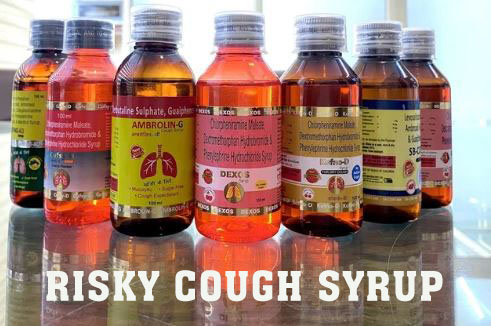
WHAT CAN PARENTS D0 INSTEAD?
For an uncomplicated cold or mild viral respiratory infection, supportive care is often more useful than a cocktail of medicines.
Fluids come first. Continue breastfeeding in infants and offer adequate fluids to older children. Hydration helps prevent dehydration and keeps secretions less thick.
For a blocked nose, saline nasal drops or spray can help. In babies, gentle nasal suction after saline drops may make feeding and breathing more comfortable.
A clean cool-mist humidifier may help relieve congestion. Hot steam and boiling-water inhalation should be avoided because young children can suffer serious burns.
For children over one year, honey may soothe a troublesome cough. Honey should never be given to infants below one year because of the risk of infant botulism.
If fever or discomfort is significant, paracetamol may be used at the correct age- and weight-based dose when advised by a healthcare professional. Use the measuring syringe supplied with the medicine, not a household teaspoon.
Antibiotics should not be started simply because a child has fever, cough or coloured nasal discharge. Most common respiratory infections are viral.
WHEN MEDICINES GO WRONG
The concern about cough and cold medicines is not theoretical.
During 2004–2005, an estimated 1,519 children younger than two years were treated in US emergency departments for adverse events, including overdoses, associated with cough and cold medicines. Reported effects have included convulsions, rapid heart rates and, in severe cases, death.
Codeine provides another cautionary example. Children can respond unpredictably to codeine, and some can convert it rapidly into morphine, potentially causing dangerous respiratory depression. FDA data identified 64 worldwide cases of respiratory depression associated with codeine-containing medicines in children, including 24 deaths.
Then there is the problem of contamination.
In October 2025, WHO issued an alert after Indian authorities reported diethylene glycol contamination in specific batches of three oral liquid medicines — COLDRIF, Respifresh TR and ReLife — following clusters of acute illness and child fatalities. Diethylene glycol is toxic and can cause severe kidney injury and death.
These incidents do not mean every cough syrup is unsafe. They underline why medicines must come from reliable sources and why manufacturing quality, regulatory surveillance, appropriate prescribing and responsible use matter.
Other medicines requiring caution
Parents should also be cautious with codeine and tramadol because of their potential to cause serious breathing problems in children.
Aspirin should generally not be given to children unless specifically advised by a doctor because of its association with Reye’s syndrome.
Multi-ingredient cough and cold preparations deserve particular caution in young children. Adult formulations should never simply be given in a smaller quantity; the concentration and ingredients may be different.
WHEN SHOULD YOU SEE A DOCTOR?
SEEK medical attention if a child develops difficulty or fast breathing, chest indrawing, bluish lips, persistent or high fever, inability to drink, reduced urination, repeated vomiting, unusual drowsiness, severe weakness, seizures or worsening symptoms.
A child who initially improves but then becomes significantly worse should also be assessed. The Goa DHS has advised people with respiratory symptoms to avoid self-medication and seek medical care when symptoms are severe, persistent or worsening.
THE MESSAGE FOR PARENTS
THE rise in influenza activity in Goa is a reason to be vigilant, not frightened.
When a child develops a cough, the first question should not be, “Which syrup should I give?”
It should be:
“What is causing the cough, does my child actually need medicine, and is the medicine safe for this age?”
Sometimes the answer will involve a specific medicine prescribed by a doctor. Sometimes it may involve antiviral treatment for influenza in an appropriate patient. And sometimes the safest treatment will simply be fluids, saline, rest, comfort and observation.
When it comes to children, knowing what not to give can be just as important as knowing what to give.

 LETTER TO THE EDITOR FOR THE ISSUE DATED OCTOBER 10, 2026
 WHEN THE MACHINE OVERRIDES THE LAW!
 HAS GOA BECOME MORE PERMISSIVE? By Special Correspondent
 BILLIONAIRES MULTIPLYING AT THE COST OF THE MIDDLE CLASS!
 THE SHADOW OF VOTE THEFT: WHY CEC GYANESH KUMAR MUST RESIGN!By Dr Olav Albuquerque & Deborah Cordeiro
 ULTRA MODERN ‘MID-DAY’ OFFICE
 HI MUMBAI MERI JAAN BUT…
 TCS INVOLVED IN SIR MATCH FIXING!
 CEREBRAL PALSY: UNDERSTANDING ABILITY, ENABLING INCLUSION! By Dr Amit Dias
 WEEKED UPDATES
 LETTER TO THE EDITOR FOR ISSUE DATED OCTOBER 03, 2026
 GEN-Z BLOCKED FROM VOTING BY GYANESHWAR MODI!
 THE FORAL OF 1526 Five Hundred Years Later, What Does Goa’s Oldest Village Charter Really Mean?
 20 YEARS IN ‘HERALD’, 43 IN GOA!
 THE DEGRADATION OF JNU – MY ALMA MATER! By Arvind Pinto
Goa is abuzz with excitement as vintage bike and car owners, users, collectors and fans are decking […]