Goa is abuzz with excitement as vintage bike and car owners, users, collectors and fans are decking […]
Old is Gold
October 4, 2016
A World Cerebral Palsy Day Special!
A diagnosis of cerebral palsy can change the way a family looks at the future. Parents may immediately ask: Will my child walk? Will the child speak? Will they go to school? Will they be independent?
There are no simple answers. Cerebral palsy is not one condition with one outcome. It is a spectrum, with every child having a different combination of abilities, challenges and possibilities.
World Cerebral Palsy Day, observed on October 6, provides an opportunity to look beyond the diagnosis. The 2026 global theme, “Unique and United”, recognises the individuality of every person with cerebral palsy while bringing people together to challenge barriers and create a more inclusive world.
What exactly is cerebral palsy?
Cerebral palsy is a group of disorders affecting movement, posture and balance, resulting from abnormal development of, or injury to, the developing brain. The disturbance usually occurs before birth, around the time of birth or during early childhood.
The original brain injury is non-progressive, although its effects can change over time. Pain, fatigue, contractures and joint difficulties may develop as a person grows. Prematurity and low birth weight are recognised risk factors, while infections, brain injury and other complications affecting the developing brain can also contribute.
Importantly, cerebral palsy primarily affects movement; it does not automatically mean impaired intelligence. A child may have severe difficulty controlling their limbs while having normal intellectual abilities. Others may have associated difficulties with learning, communication, vision, hearing or epilepsy.
Four broad patterns:
Cerebral palsy is commonly described according to the predominant movement disorder.
Spastic cerebral palsy is the most common form. Muscles become stiff because of increased muscle tone, making movement difficult. It may affect the legs, one side of the body, or all four limbs.
Dyskinetic cerebral palsy is characterised by involuntary movements, which may be slow and twisting or rapid and jerky.
Ataxic cerebral palsy primarily affects balance and coordination, while mixed cerebral palsy combines features of more than one type.
These classifications help clinicians plan care, but they should never become labels that define the individual. Two people with the same type may have very different abilities and needs.
The challenges go beyond walking
The most visible difficulty may be movement, but cerebral palsy can affect many aspects of daily life. Some children have difficulty using their hands for writing, eating or dressing. Others have difficulty speaking because the muscles required for speech are affected.
Importantly, an unclear voice does not mean an unclear mind.
Feeding and swallowing may sometimes be difficult. Pain, fatigue, abnormal posture, contractures, vision problems, hearing difficulties and seizures may also require attention.
There are less visible barriers too. A child may be left out of games because adults assume they cannot participate, spoken to through their parents rather than directly, or excluded from school activities because adapting them seems difficult.
As children become adolescents and adults, new questions emerge: Can they pursue higher education? Can they travel independently? Can they find employment? Can they participate fully in community life?
These are not simply medical questions. They are questions about rights, opportunity and inclusion.
Rehabilitation is about function, not perfection
There is no single treatment for cerebral palsy. Management may involve physiotherapy, occupational therapy, speech and language therapy, nutritional support, orthotics, medication, psychological support and, when appropriate, procedures or surgery.
The goal should not always be to make a person move in a “normal” way. It should be to help them function as independently and comfortably as possible.
For one child, success may mean walking independently. For another, it may mean using a powered wheelchair. For someone else, it may mean communicating independently through an electronic device.
Success should be defined by the person’s needs, abilities and aspirations.
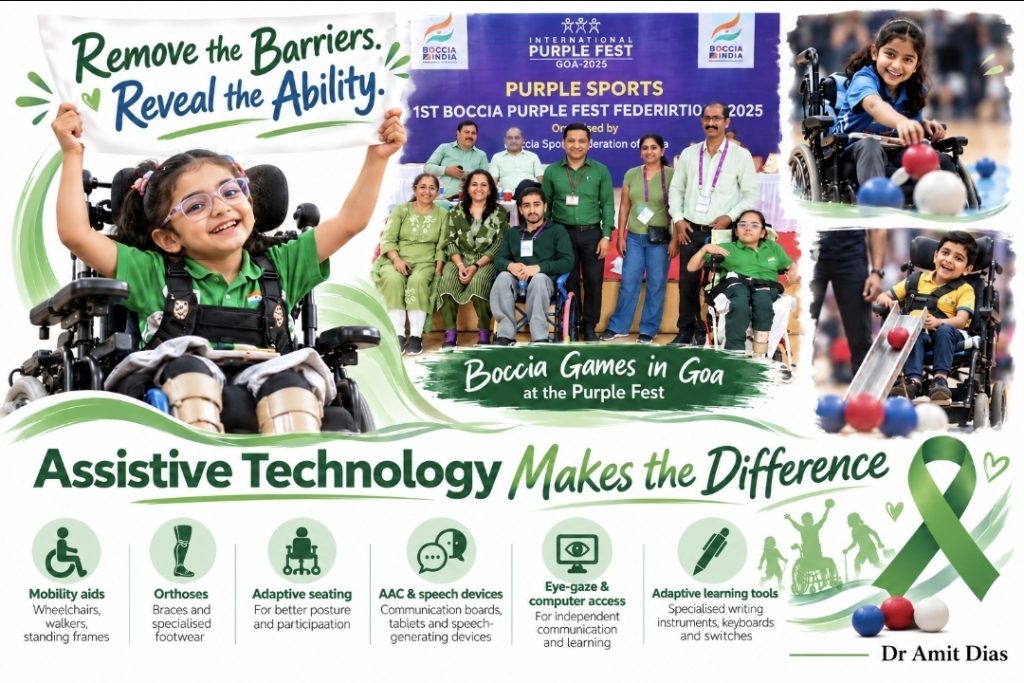
Technology can transform possibilities
Assistive technology can be particularly important. The World Health Organization describes it as products, equipment, software and related services that help maintain or improve functioning and independence.
For children with cerebral palsy, this can include orthoses, specialised seating, standing frames, walkers and wheelchairs. Adapted writing instruments, keyboards, switches and touch interfaces can support children with limited hand function.
For communication difficulties, augmentative and alternative communication (AAC) can be transformative. Communication boards, symbols, tablets and speech-generating devices can enable a child to communicate needs, choices, emotions and ideas.
Eye-gaze systems can allow someone with very limited hand movement to operate a computer using their eyes.
The important principle is that technology must be matched to the person’s needs. A device alone is not enough; assessment, correct fitting, training, maintenance and follow-up are essential.
The ICMR-supported work using the WHO Rapid Assistive Technology Assessment (rATA) approach has highlighted the substantial need for assistive products in India and the gap between need and access. Our work in Goa using the rATA approach similarly reminds us that considerable unmet need exists and that much more can potentially be done through appropriate assistive technology.
Inclusion begins in childhood
A child with cerebral palsy should not spend childhood moving from one therapy appointment to another while missing the experiences that make childhood meaningful.
Children need classrooms, friends, music, art, play and opportunities to discover their interests. An inclusive school may require accessible infrastructure, modified learning materials, assistive technology and teachers who understand different ways of communicating and demonstrating knowledge.
Inclusion must continue into higher education and employment. Workplaces may need reasonable adaptations, flexible arrangements or accessible technology.
The focus should shift from:
“What can this person not do?”
to:
“What can this person contribute, and what support will enable them to do it?”
Changing the narrative:
Perhaps one of the greatest barriers faced by people with cerebral palsy is the assumption that the impairment defines the person.
Paralympic champion Evan O’Hanlon, who has cerebral palsy, has said:
“My disability has made me who I am.”
His words offer another way of thinking about disability. The objective need not be to erase difference. It should be to ensure that difference does not become exclusion.
This World Cerebral Palsy Day, “Unique and United” gives us an important message. Every person with cerebral palsy is unique. Their needs, strengths, aspirations and ways of communicating may be different.
Healthcare can improve function. Rehabilitation can develop skills. Assistive technology can increase independence. Education can open opportunities. Families can provide support.
But inclusion requires all of us.
The measure of an inclusive society is not how well people with disabilities adapt to our world. It is how willing we are to adapt our world so that they can fully belong.
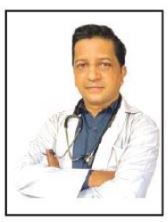
Dr Amit Dias, MD, is an Assistant Professor in Preventive & Social Medicine at Goa Medical College. His work encompasses public health, ageing, dementia, disability, assistive technology and community-based health interventions, with a focus on translating evidence into practical programmes that improve participation and quality of life.
 LETTER TO THE EDITOR FOR THE ISSUE DATED OCTOBER 10, 2026
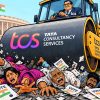 WHEN THE MACHINE OVERRIDES THE LAW!
 HAS GOA BECOME MORE PERMISSIVE? By Special Correspondent
 BILLIONAIRES MULTIPLYING AT THE COST OF THE MIDDLE CLASS!
 THE SHADOW OF VOTE THEFT: WHY CEC GYANESH KUMAR MUST RESIGN!By Dr Olav Albuquerque & Deborah Cordeiro
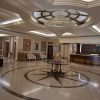 ULTRA MODERN ‘MID-DAY’ OFFICE
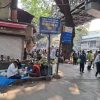 HI MUMBAI MERI JAAN BUT…
 TCS INVOLVED IN SIR MATCH FIXING!
 WEEKED UPDATES
 LETTER TO THE EDITOR FOR ISSUE DATED OCTOBER 03, 2026
 GEN-Z BLOCKED FROM VOTING BY GYANESHWAR MODI!
 THE FORAL OF 1526 Five Hundred Years Later, What Does Goa’s Oldest Village Charter Really Mean?
 20 YEARS IN ‘HERALD’, 43 IN GOA!
 THE DEGRADATION OF JNU – MY ALMA MATER! By Arvind Pinto
 THE WOMEN WHO LOOK BACK! By Prema Viswanathan
Goa is abuzz with excitement as vintage bike and car owners, users, collectors and fans are decking […]